Email Security Blog


Protecting What Microsoft 365 Can’t See: Extending Email Security to Teams, OneDrive, and SharePoint
Maor Dahan, Chief Technology Officer at Trustifi, leads the company’s technology strategy and product innovation, drawing on years of cybersecurity and software architecture experience to build scalable, enterprise-grade email and collaboration security solutions. Your clients trust Microsoft 365 with their...
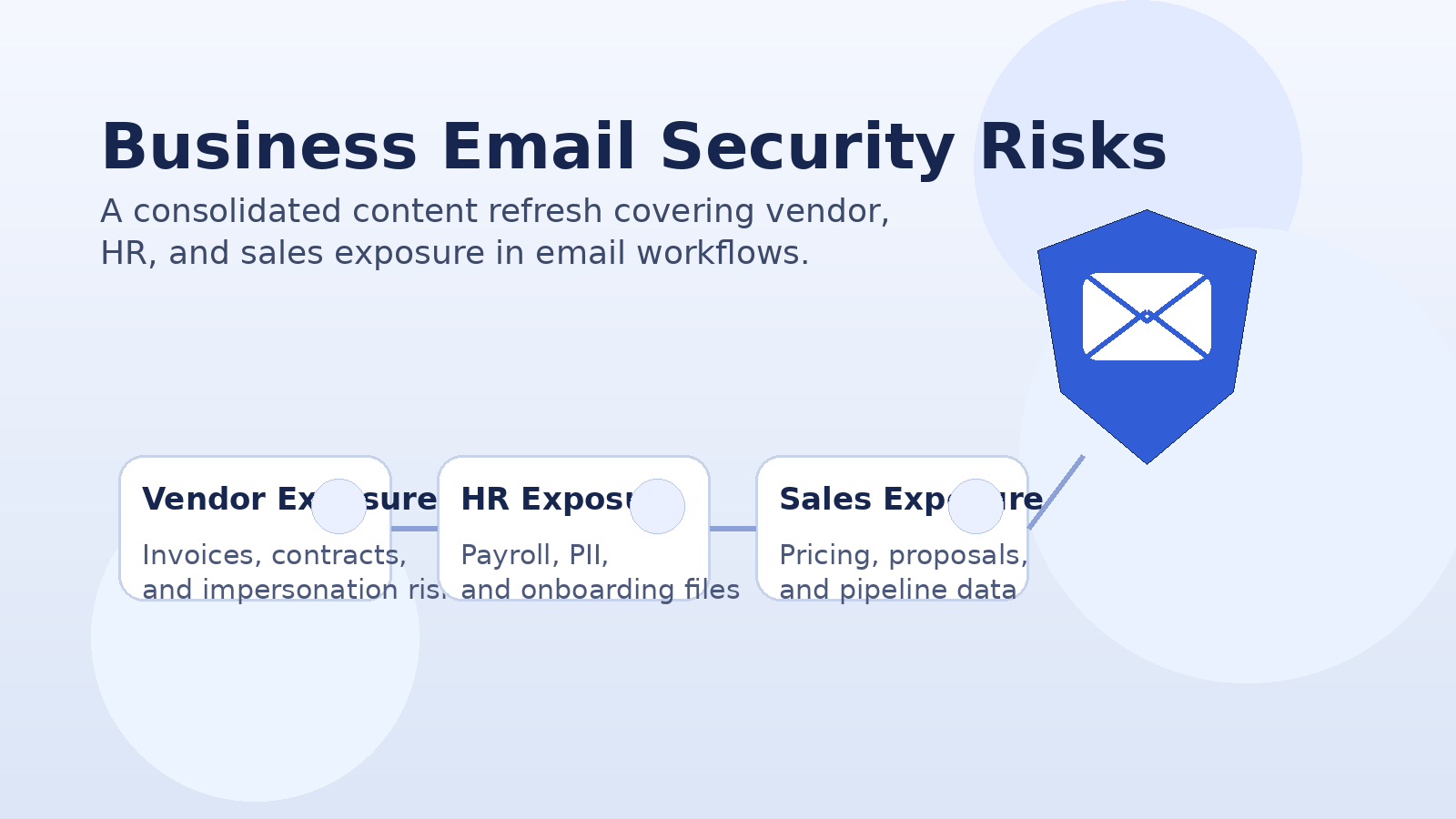

Business Email Security Risks
For most companies, the risk is not limited to phishing or spam. It is the everyday movement of contracts, spreadsheets, payroll files, pricing details, onboarding forms, proposals, and attachments through inboxes across the business. When those messages are sent without...


Guide to Email Compliance Automation Costs
Email compliance automation costs vary depending on your organization’s size, regulatory requirements, and technical needs. As businesses send more emails and face stricter regulations like the Health Insurance Portability and Accountability Act (HIPAA), General Data Protection Regulation (GDPR), and California...

How to Choose the Right Email Encryption Solution
An intercepted email containing patient health records or an unencrypted financial file can lead to devastating regulatory fines and a shattered reputation. The market is crowded with tools that either fail to protect your data completely or create so much...

How to Choose the Right Email DLP Solution
A single misdirected email containing sensitive patient records can trigger massive financial penalties and severe reputational damage. The average cost of a data breach has reached an all-time high of USD 4.45 million globally in 2023. Not all security tools...

Best Email Security Solutions for MSPs
Picture this: one of your clients clicks a highly convincing phishing link on a Monday morning. By Friday, you are fielding angry phone calls, writing detailed incident reports, and watching your hard-earned reputation quietly unravel. It is not a rare...


How to Choose the Right Account Takeover Protection Solution
Imagine a legitimate employee account attempting a login at 3 a.m. from a foreign IP address with nothing flagging the event. There is no alert, no lock, and no notification while the attacker sits inside your environment, impersonating a real...