Email Security Blog
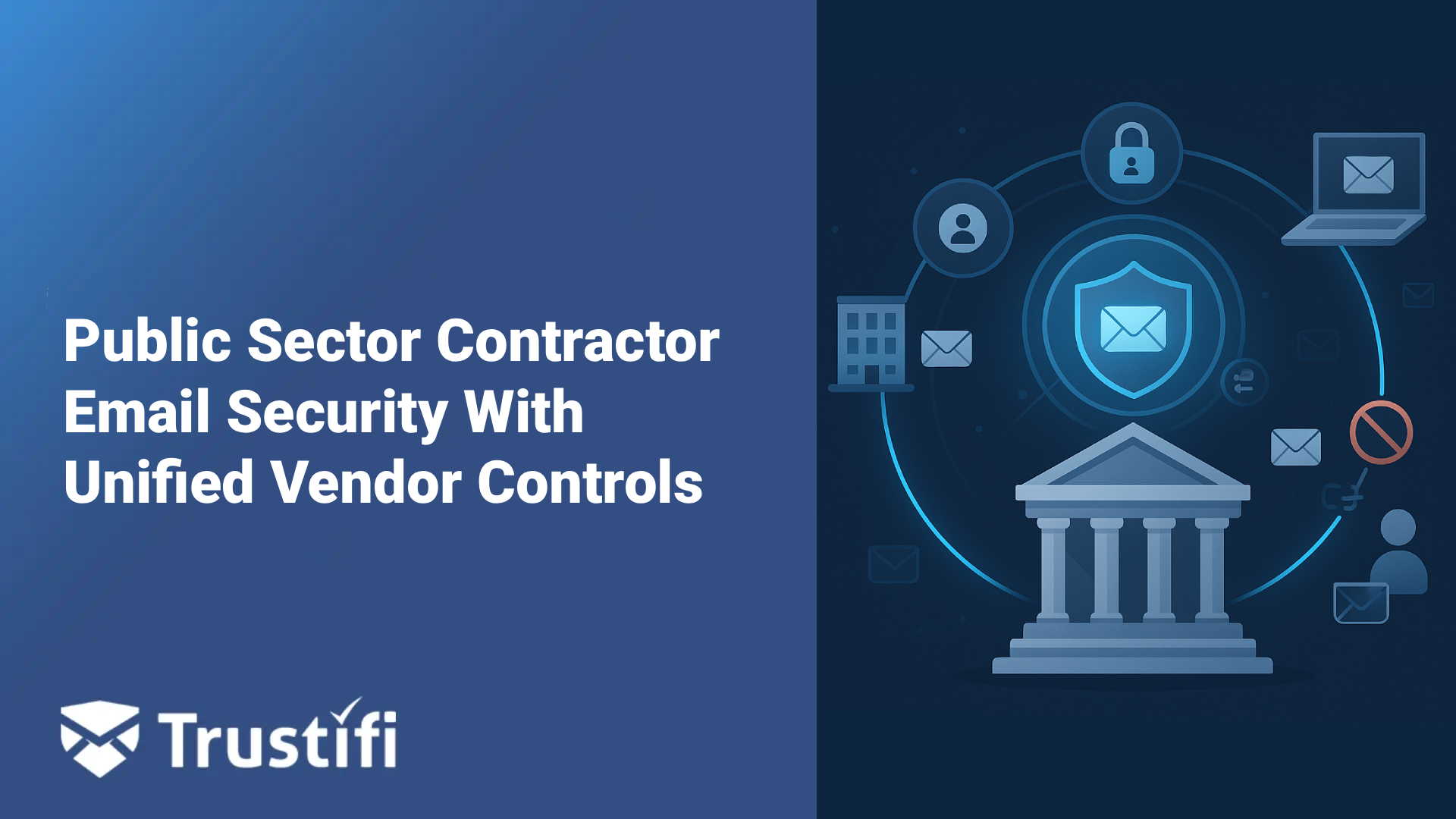

Securing Public Sector Email With Contractors, Unified Vendor Controls With Authentication and Rapid Access Revocation
Introduction Public sector contractor email security is becoming increasingly important as agencies depend on external partners, contractors, and vendors to deliver essential citizen services and manage vital systems. These partnerships cover areas such as healthcare, infrastructure, transportation, and policing, with...
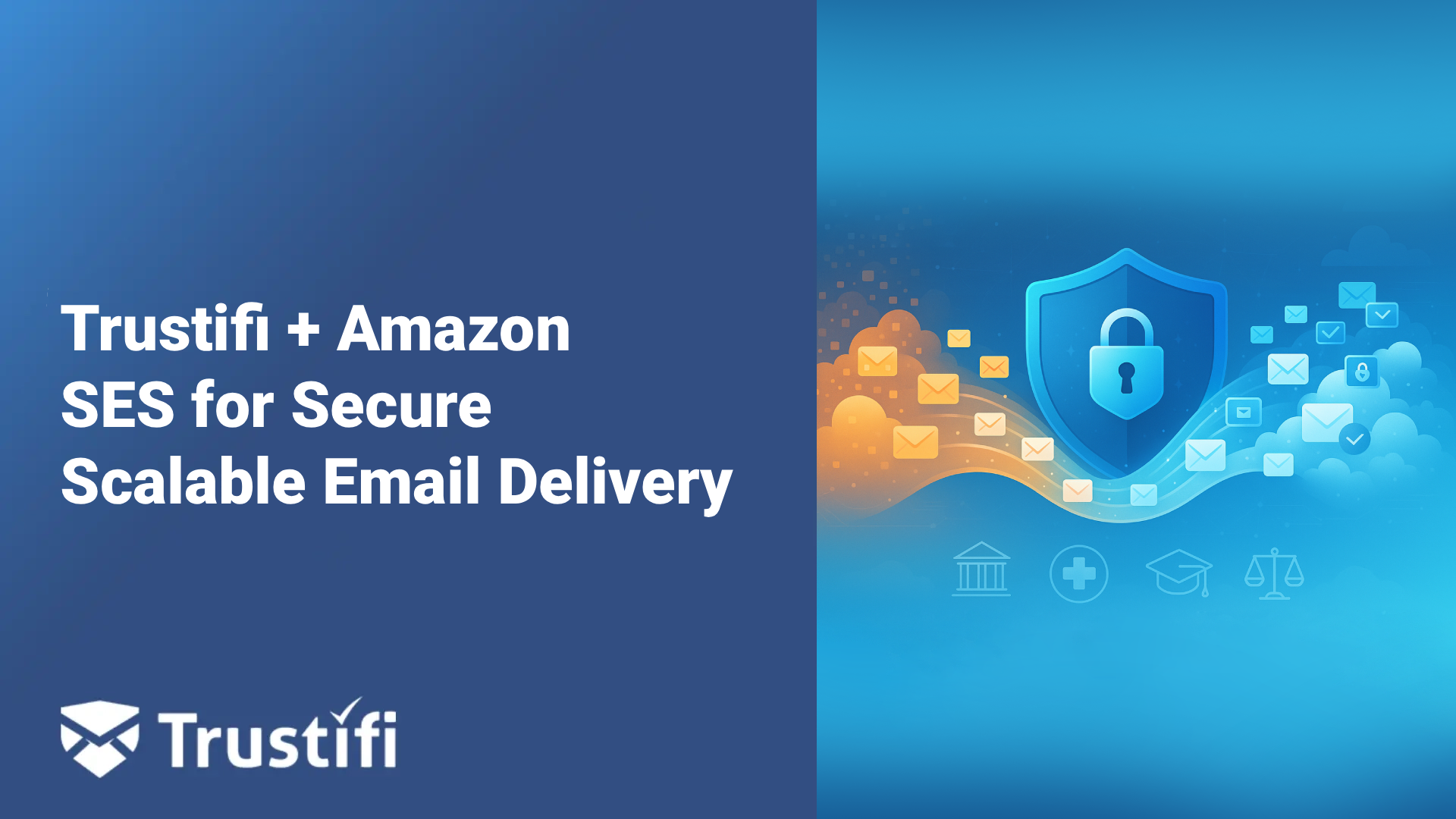

Trustifi + Amazon SES: The Ultimate Solution for Secure, Scalable Email Delivery
In today’s digital landscape, organizations are sending more automated and high-volume emails than ever before. But scaling email infrastructure is only half the challenge, securing those messages, staying compliant, and protecting sensitive data is equally critical. That’s why Trustifi has...
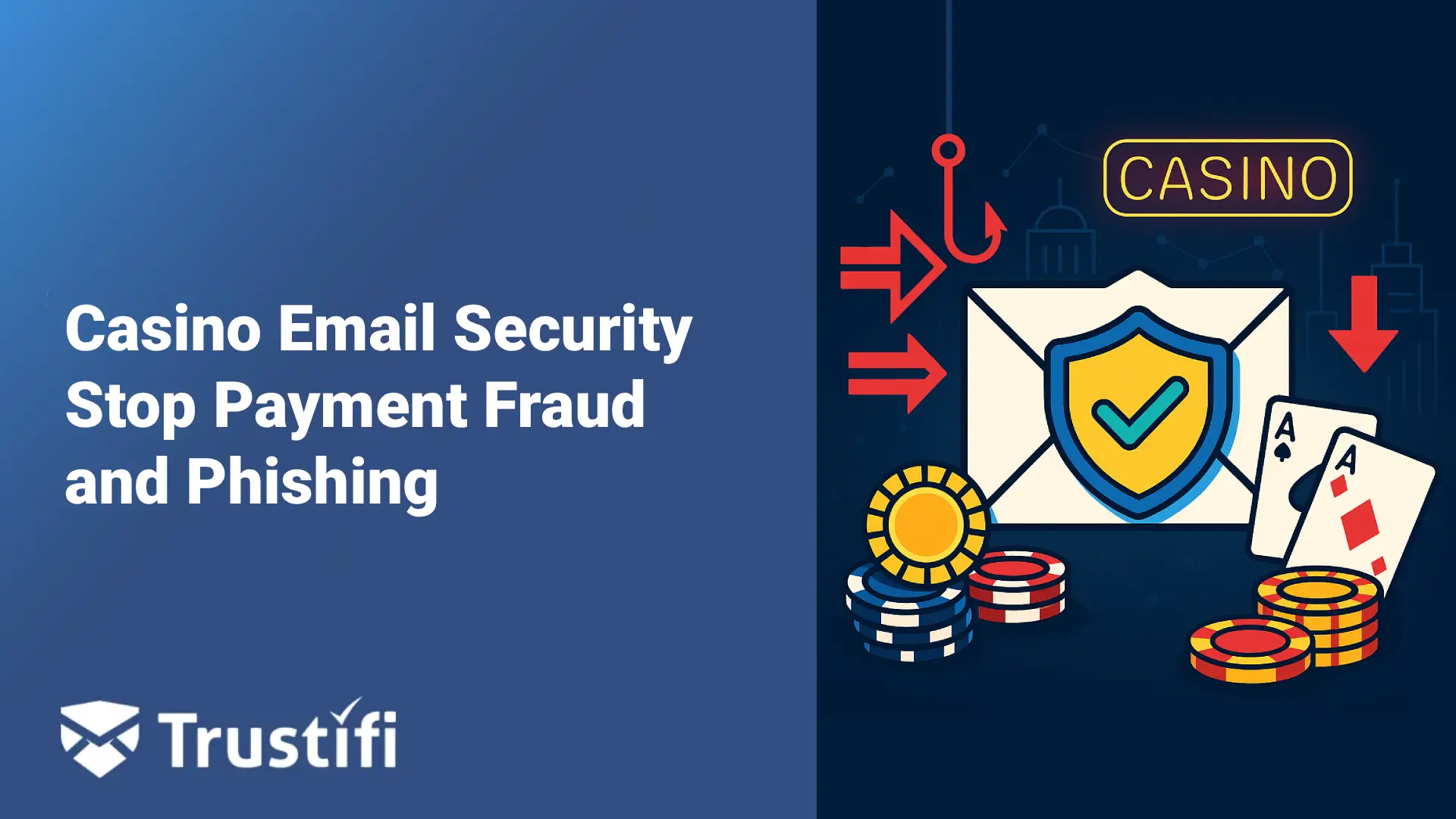
High Stakes Email Security for Casinos, Stop Payment Fraud and Phishing
Introduction Casinos operate in a fast moving environment where email drives payments, vendor coordination, VIP service, and financial approvals. That speed creates an attractive target for attackers who use social engineering and account compromise to redirect funds or harvest sensitive...
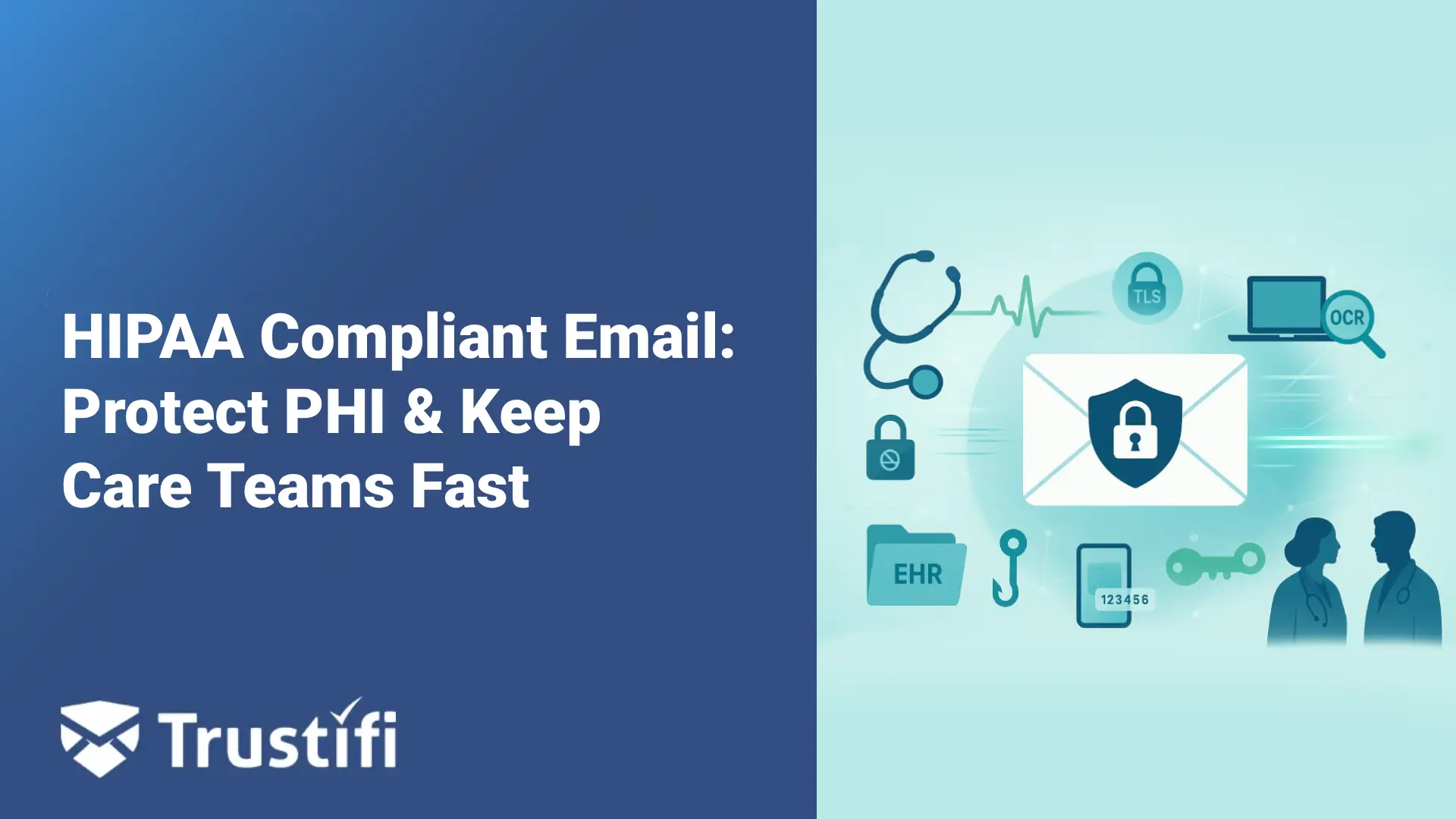
HIPAA for Email Done Right, Protect PHI Without Slowing Care Teams
Introduction Email remains a lifeline for care coordination, referrals, billing, and patient updates. These messages often include protected health information, so you must treat them with the same care as any clinical system. HIPAA sets the guardrails, and your policies,...
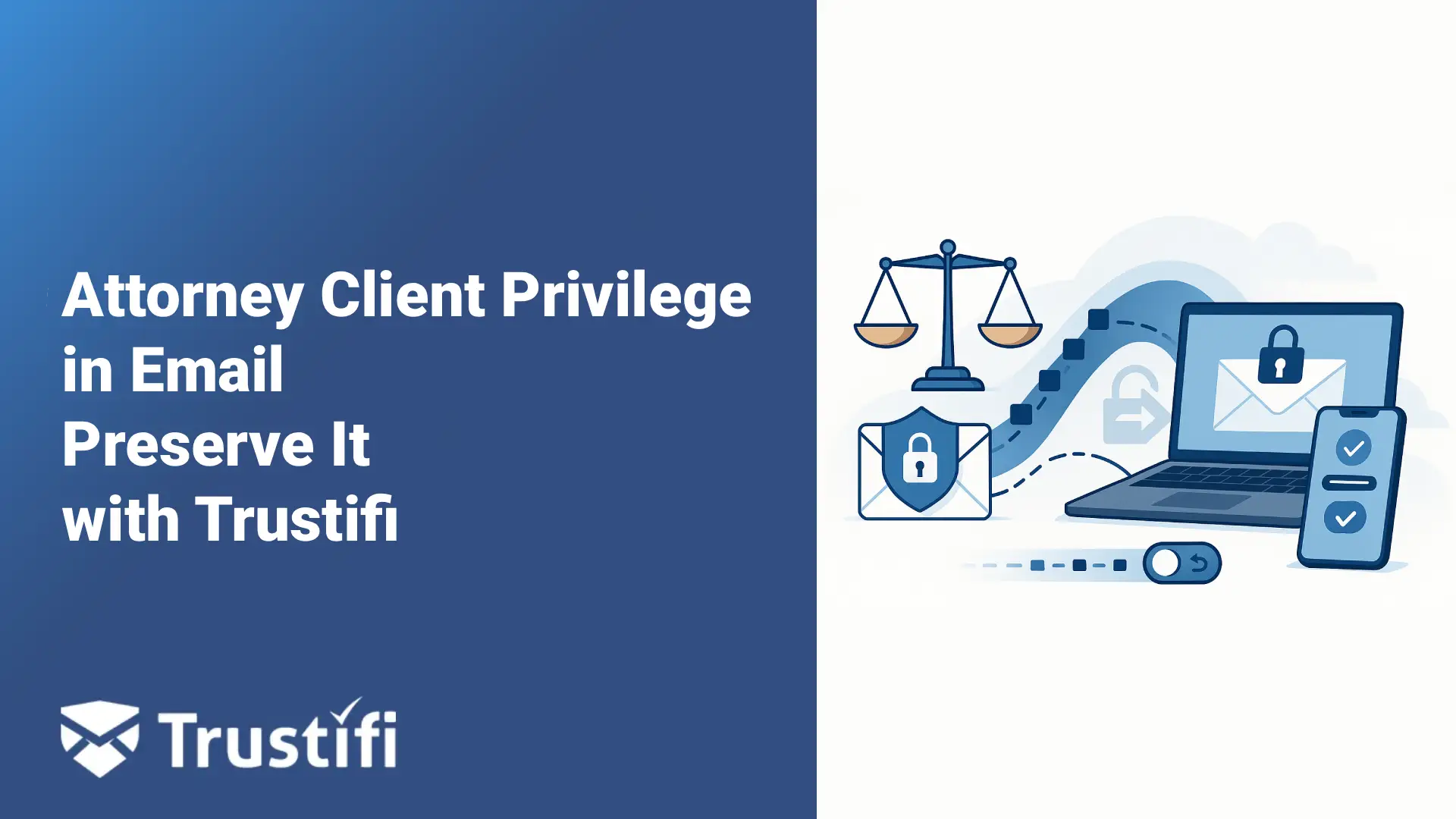
Attorney-Client Email Done Right, How Trustifi Preserves Privilege Without Slowing Teams
Introduction Attorney client privilege depends on how you handle everyday email. Modern workflows span mobile, shared drives, cloud apps, and rapid client collaboration, so protecting sensitive matter details in transit and at rest is essential. This topic matters because breach...


From Reaction to Readiness: How Real Threats Are Redefining Security Awareness
Phishing has evolved into one of the fastest-changing attack vectors in cybersecurity. Every new tactic targets the same weak spot: human trust. Organizations are investing more in security tools than ever before, yet users remain the last and most vulnerable...
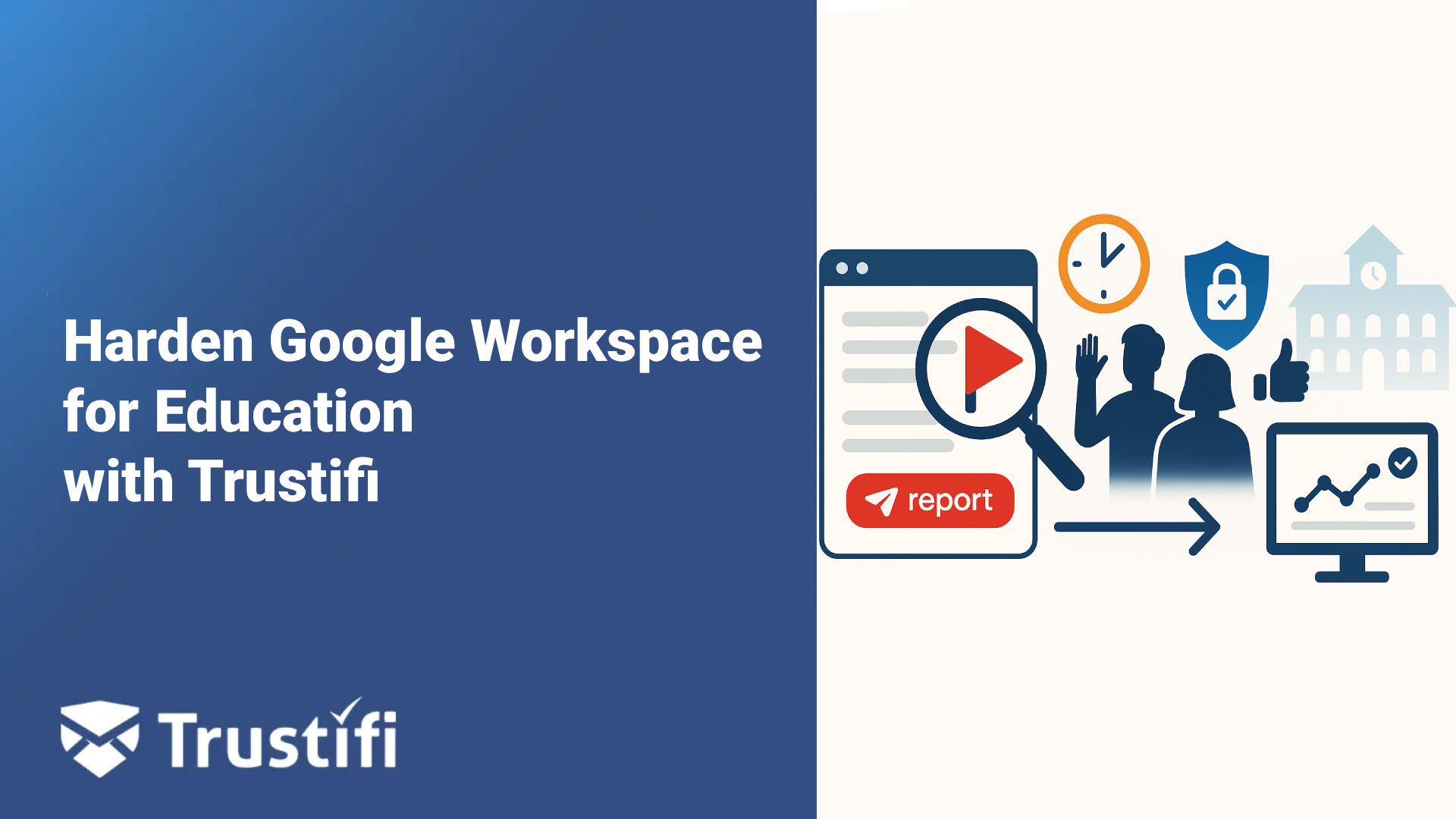
30-Minute Faculty Workshop: Recognize and Report Phishing Without Fear
Introduction Phishing targets everyone in education, full-time faculty, adjuncts, staff, and student workers. Attackers use believable emails to steal credentials, re-route paychecks, and request fraudulent purchases. You can learn to spot patterns quickly, then report without fear so the whole...
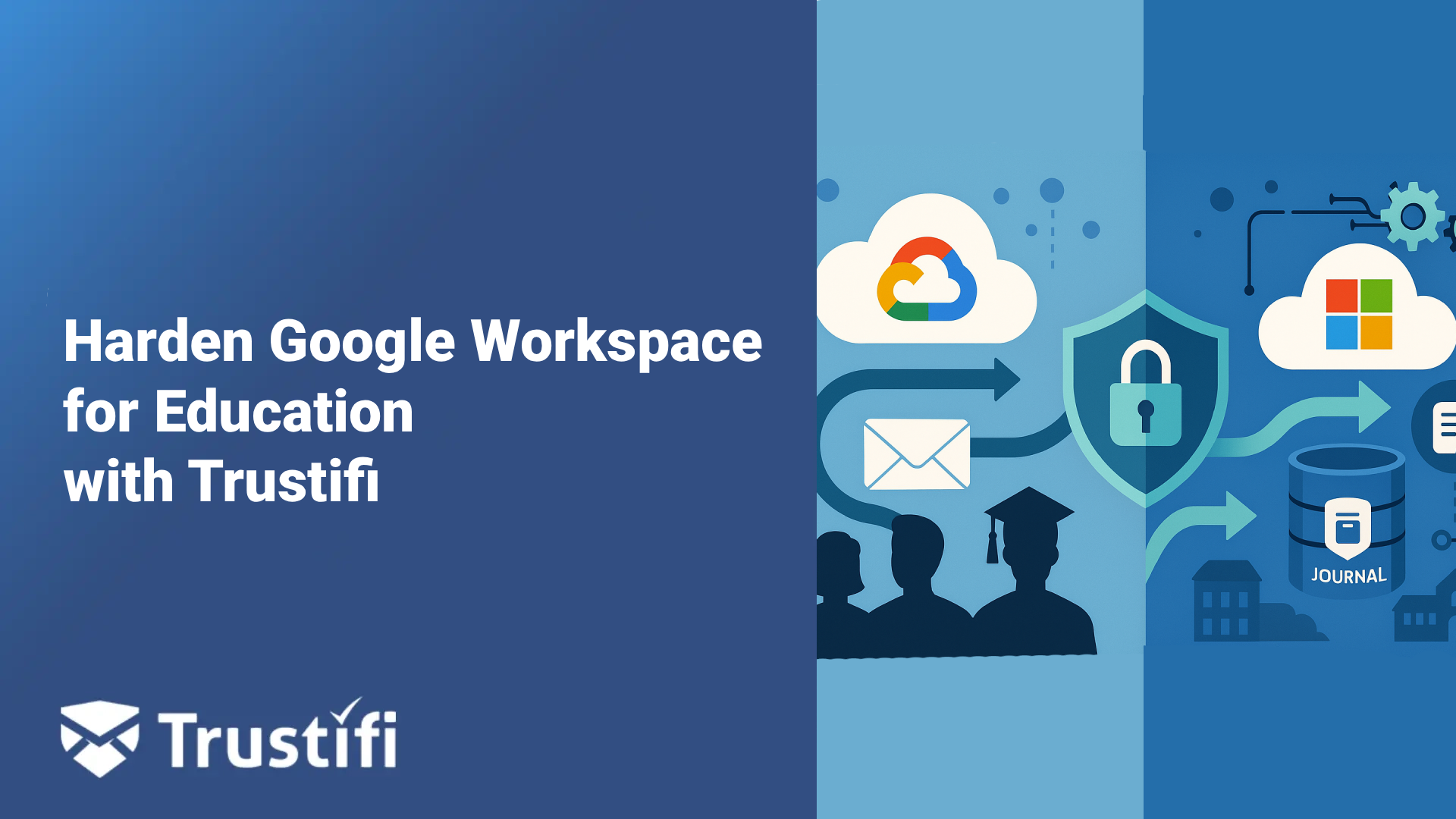
Harden Google Workspace for Education with Trustifi: Mail-Flow, Journaling, and API Tips
Introduction Google Workspace and Microsoft 365 often coexist across districts and universities. You might run faculty in one platform and students in another, or operate both during migrations. This mixed reality creates gaps if mail routes, journaling, and APIs are...
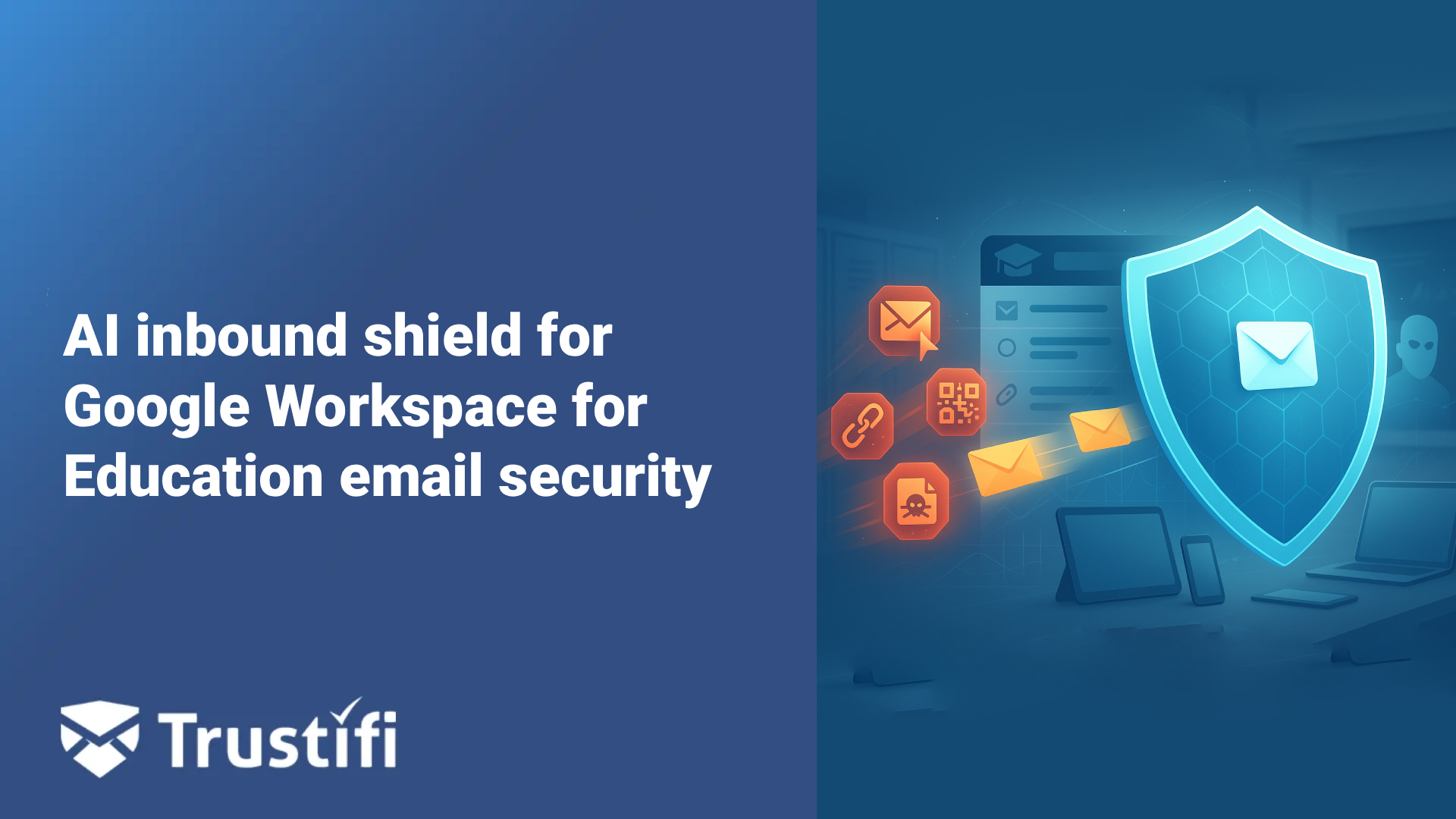
Stopping Phish at the Gate: How AI-Powered Inbound Shield Protects Google Workspace for Education
Why inbound email threats require special attention in education Email is still the primary path into your district or campus, so phishing, business email compromise, and ransomware often begin in the inbox. Google Workspace for Education provides strong native protections,...