Introduction
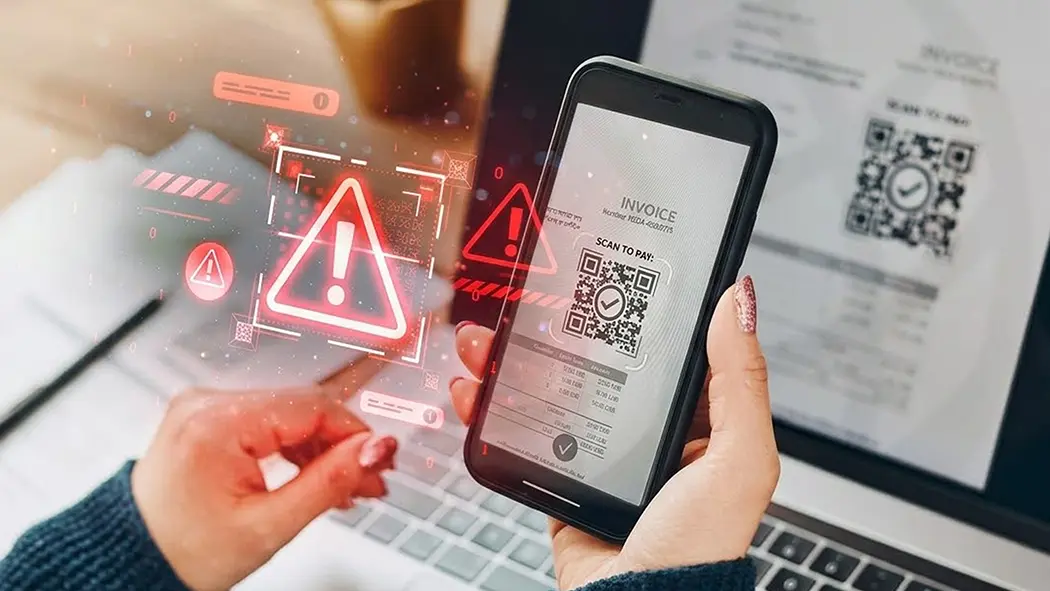
AI has supercharged phishing. Attackers now generate realistic voice and video that imitates leaders, vendors, and colleagues, then deliver these lures across email, chat, and live meetings. This blend is often called cross channel business email compromise, or BEC. The stakes are high. Incident volumes and losses are rising as criminals use convincing audio, video, and cloned writing styles to push urgent payments and sensitive data requests. Addressing this risk matters because the attack path now moves quickly between inboxes, calls, and conferencing apps. This article explains common risks, shows practical defenses, and highlights how you can strengthen controls across email, voice, and video without slowing the business.Common Risks and Challenges
Deepfakes and AI tooling create believable pressure and bypass older trust signals. Watch for these patterns.- Executive voice cloning during urgent wires. Attackers mimic a leader and ask finance to move funds, usually with a time constraint.
- Live video call deepfakes. Spoofed leaders or vendors join meetings, then confirm account changes or invoice details on camera.
- Caller ID and voice biometric bypass. Spoofed numbers and AI audio can defeat basic identity checks.
- Real time lip sync and translation. Language and accents appear native, which reduces skepticism.
- Vendor or supplier compromise. Criminals pivot through a trusted partner, then push believable change requests that impact you.
- Clone phishing and thread hijacking. Prevent phishing and thread hijacking. Real email context is reused, including signatures and quoted replies, to appear genuine.
- Pressure, secrecy, and after hours timing. Requests arrive when approvers are unavailable and controls are weaker.
- Playbook gaps and uneven training. Teams follow different rules, so verification becomes inconsistent.
- Legal, regulatory, and brand exposure. Fraudulent transfers and data leaks can trigger disclosures and reputational damage.
Best Practices for AI Phishing Defense
Combine process controls with training and realistic rehearsal. These steps reduce risk without adding friction to daily work.- Verify out of band. Confirm payment or data requests using a known phone number or contact method that is not in the email thread.
- Use multi party approvals and dollar thresholds. Require more than one approver for high risk transfers and vendor changes.
- Create executive verification codes and meeting roll calls. Short shared codes, read live at the start of meetings, help validate identities.
- Reduce public voice and video exposure for high risk roles. Limit open recordings and large external webinars when feasible.
- Train on audio and video tells. Teach people to notice timing glitches, clipped syllables, uncanny cadence, and odd eye alignment.
- Run cross channel simulations. Include voicemail, voice notes, and live meeting scenarios, not only email templates.
- Tabletop with finance, IT, and legal. Define escalation paths, hold procedures, and who can freeze payments quickly.
- Maintain clean vendor data. Enforce independent callbacks for any change to bank accounts or payment terms.
- Integrate threat intel and takedowns. Monitor and remove spoofed domains, lookalike sites, and malicious redirects.
Recommended Security Features
Technology controls complement your process playbooks. Prioritize features that reduce BEC exposure and speed investigations.- Email authentication and hygiene. Enforce DMARC, DKIM, and SPF with strict reject policies and monitoring.
- AI driven inbound email security. Detect BEC patterns, spoofing, and thread hijacking, including context aware signals.
- Account takeover protection. Watch for behavioral and geo anomalies, then step up authentication or block access.
- Phishing resistant MFA. Use FIDO2 and conditional access for high risk workflows and admin roles.
- Real time URL and attachment analysis. Sandboxing, link rewriting, and file detonation block payloads before delivery.
- Outbound encryption and DLP. Encrypt email to protect sensitive data in transit and prevent misdirected emails.
- Media provenance checks. Use content credentials where supported to assess authenticity of images and video.
- Meeting security controls. Use lobbies, recording policies, and restricted screen sharing for external calls.
- Audit trails and fast investigations. Ensure retention, message trace, and search tools are available during an incident.
How Trustifi Helps Stop AI Phishing
Trustifi provides layered email security that strengthens your defenses against deepfake enabled BEC, while supporting compliance and user productivity.- Inbound Shield. AI based detection helps identify phishing, spoofing, and BEC indicators before messages reach inboxes.
- BEC analysis. Signals from sender identity, content intent, and embedded URLs help surface impersonation and thread manipulation.
- Anti spoofing and domain authentication. Built in checks leverage DMARC, DKIM, and SPF to block lookalikes and unauthorized senders.
- Account Takeover Protection. Suspicious activity alerts and automated safeguards reduce the blast radius of compromised accounts.
- Outbound Shield. Policy based encryption and data loss prevention protect sensitive communications with customers and partners.
- Compliance and reporting. One Click Compliance, tracking, and postmark proof support audits and regulatory needs.
- Security awareness and managed detection. Training and optional services help reduce user risk and accelerate response.
- Simple deployment. Integrates with Google Workspace and Microsoft 365 through API or relay for fast rollout.
Conclusion
Deepfake voice and video raise the stakes for BEC, but practical verification, strong email hygiene, and clear playbooks put you back in control. Start by enforcing out of band checks, hardening inbound and outbound email controls, and rehearsing how you will pause payments when something feels off.- Verify requests out of band before approving money movement or data access.
- Harden email with authentication, AI detection, and DLP.
- Standardize response playbooks and train across finance, IT, and legal.


Stop Deepfake-Driven BEC Before It Reaches Your People
Protect payments and sensitive data with Trustifi Inbound Shield, Outbound Shield, and Account Takeover Protection. Strengthen verification, block spoofing, and simplify compliance across Google Workspace and Microsoft 365.