Email Security Blog
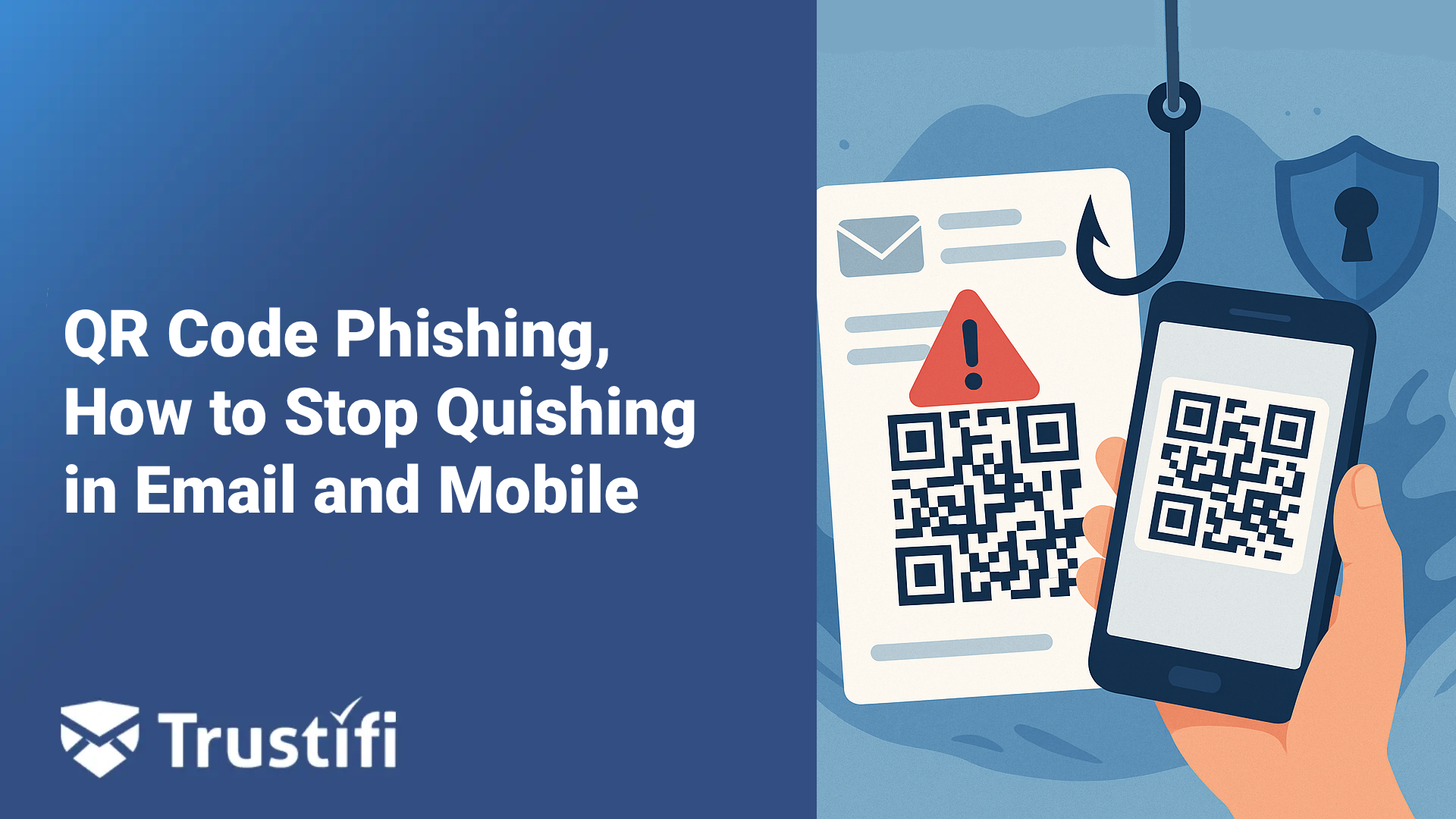

QR Code Phishing, The New Email Threat Hiding in Plain Sight
Introduction What is QR code phishing QR code phishing, often called a quishing attack, is a social engineering tactic where attackers embed malicious QR images in emails or attached documents. When a user scans the code, they are taken to a...
FERPA in the Inbox: A Practical Guide to Email Compliance for Schools & Universities
Introduction Student privacy sits at the heart of K to 12 and higher education. Every day, staff send grades, schedules, financial aid details, and counseling notes through email. These messages, and the attachments that ride along, are often education records...
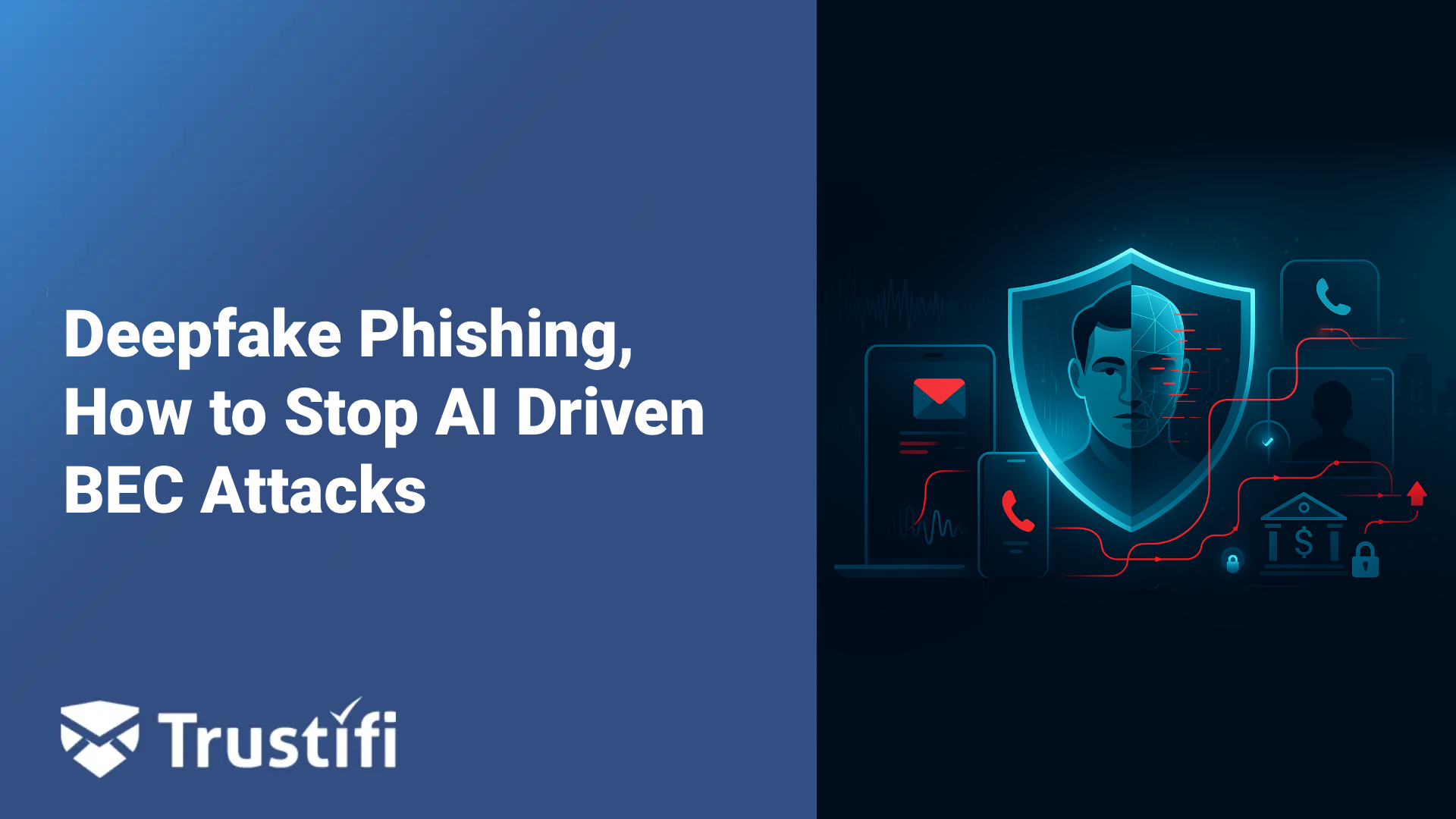
Deepfake Phishing Scams, How AI-Generated Voices and Video Fuel BEC Attacks
Introduction AI has supercharged phishing. Attackers now generate realistic voice and video that imitates leaders, vendors, and colleagues, then deliver these lures across email, chat, and live meetings. This blend is often called cross channel business email compromise, or BEC....
Step by Step Guide for Implementing DMARC
Introduction DMARC works with SPF and DKIM to verify that messages using your domain are really from you. SPF ties a sending IP or host to your domain, DKIM adds a cryptographic signature that proves the message content and domain,...
How DMARC, SPF, and DKIM protect your domain from spoofing
Introduction Brand protection starts with sender authentication. DMARC, SPF, and DKIM work together to prove that a message really comes from your domain, and that it has not been altered in transit. This topic matters now because phishing volume keeps...

The limitations of MFA and how to strengthen it
Introduction Multi factor authentication raises the bar for attackers, yet it is not a silver bullet. In the context of email, MFA blocks many direct credential abuse attempts, but gaps remain around people, legacy technology, and recovery paths. Attackers aim...
How Multi-Factor Authentication protects email accounts
Introduction Multi Factor Authentication adds a second or third proof of identity, for example a passkey or hardware key in addition to a password. In the context of email, MFA helps ensure that only the right person can access inboxes...
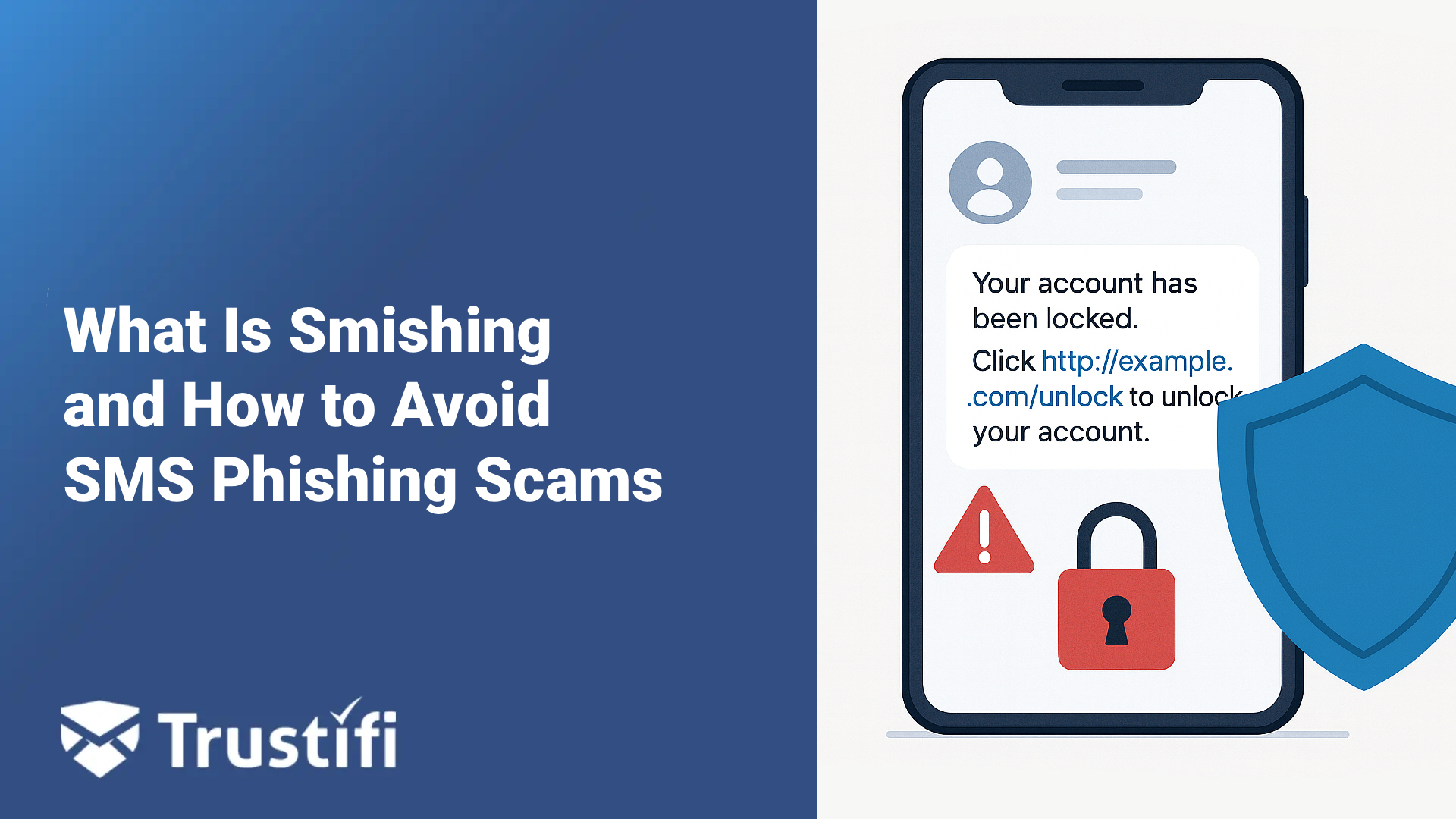
What Is Smishing and How to Avoid It
Introduction Smishing is phishing over SMS. Attackers send texts that look legitimate, then try to lure you into revealing credentials, installing malware, or making a payment. Because most people read email and texts on the same phone, smishing often connects...