Email Security Blog


Phishing High Rollers: How Casinos Can Shield VIP Clients from Email Scams
Introduction Email phishing is no longer a nuisance for casinos, it is a direct threat to your highest value players and your brand. Attackers know that VIPs control large bankrolls, move money frequently, and expect fast, personalized service by email....
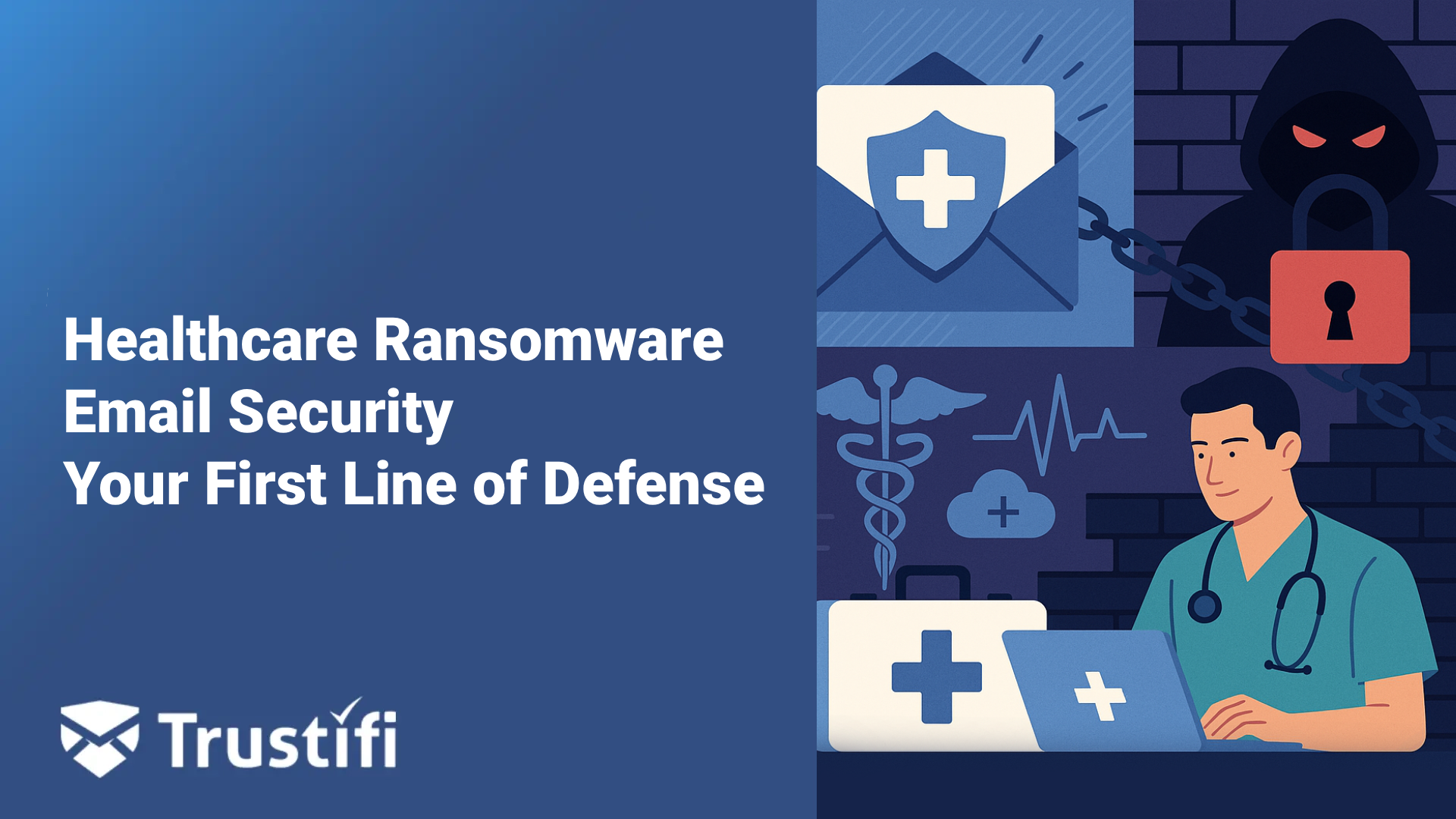
First Line of Defense: How Email Security Thwarts Ransomware in Healthcare
Introduction Ransomware has become one of the most disruptive cyber threats facing healthcare today. When attackers encrypt hospital systems or exfiltrate clinical data, the consequences are not just financial, they can directly affect patient safety, care quality, and trust. Email...

Ransomware on Trial: Lessons Learned from High-Profile Law Firm Breaches
Introduction Ransomware has become a systemic threat to the legal industry, not just a one-off incident that happens to unlucky firms. Attackers know that law firms sit at the intersection of sensitive data, complex negotiations, and strict deadlines, which makes...
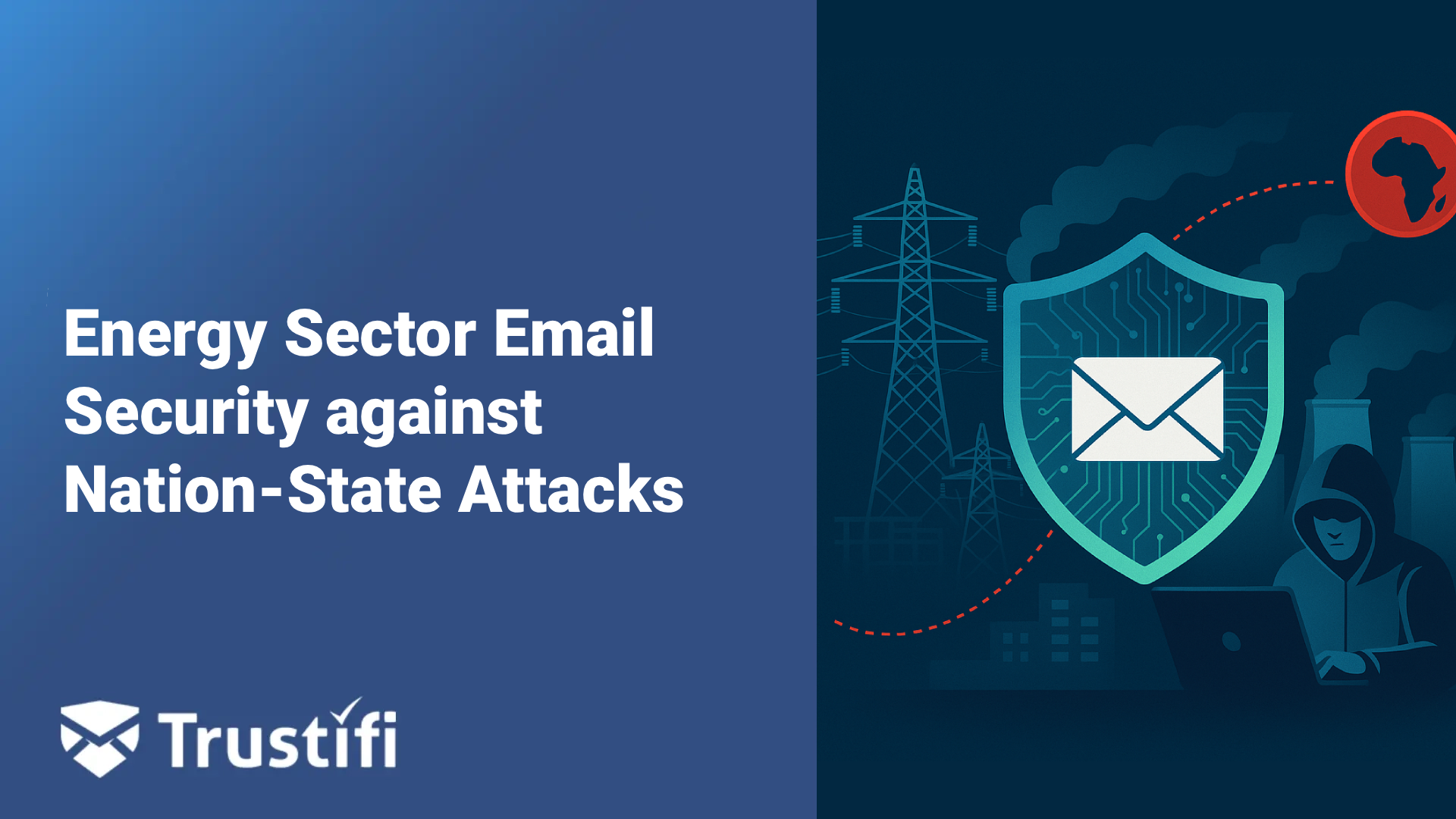
Guarding the Grid: Defending Energy Sector Emails from Nation-State Cyber Attacks
Introduction Nation-state cyber actors increasingly view the energy grid as a strategic target. Email is often the simplest path in, since every executive, plant operator, engineer, and vendor lives in their inbox all day long. When an attacker controls an...

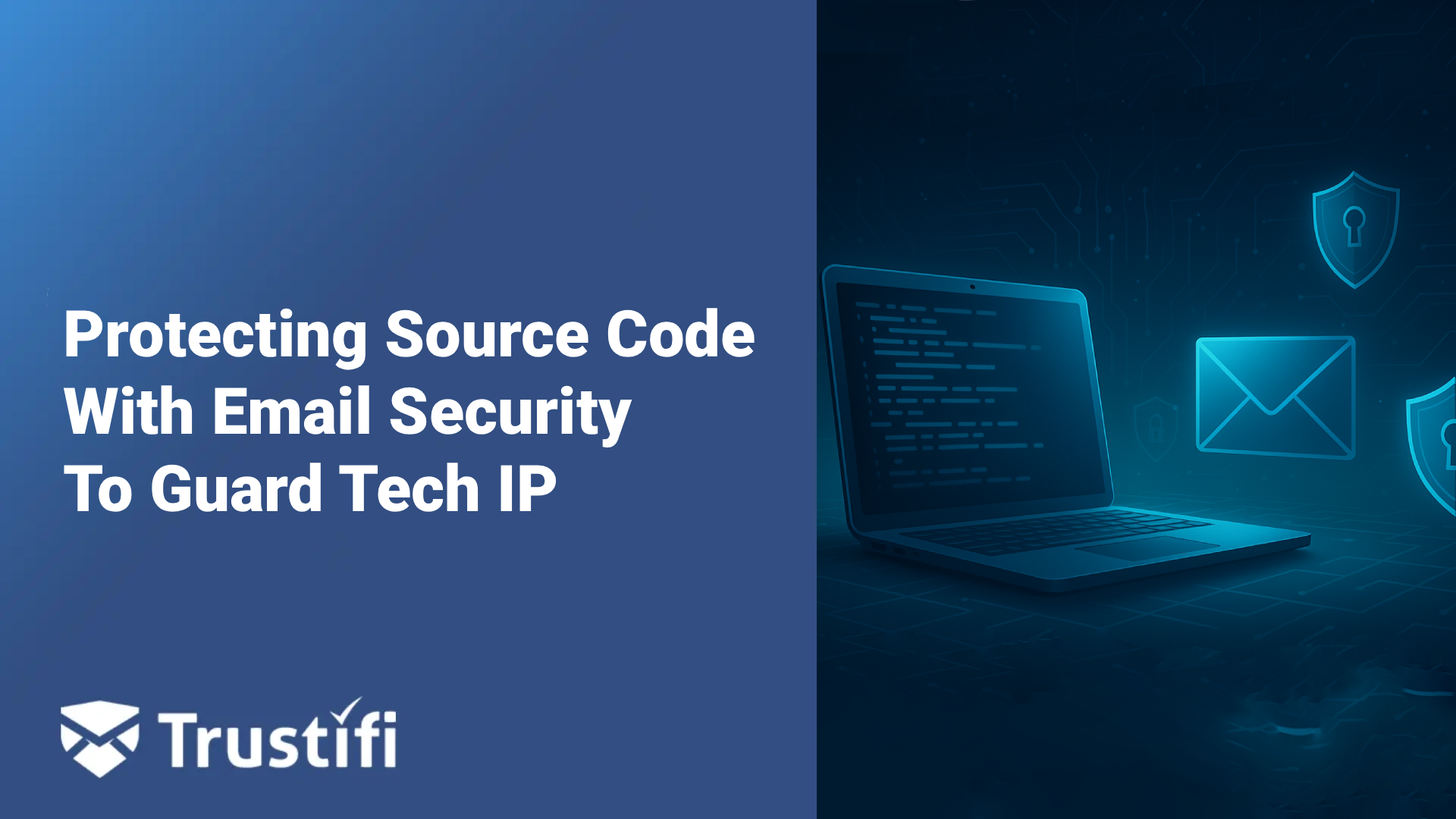
Guarding the Source Code: How Email Security Protects Tech Companies’ IP
Introduction Your source code, models, and internal designs are the crown jewels of your tech company. They represent years of research, experimentation, and hard earned competitive advantage. In a world of hybrid work and SaaS driven stacks, a surprising amount...
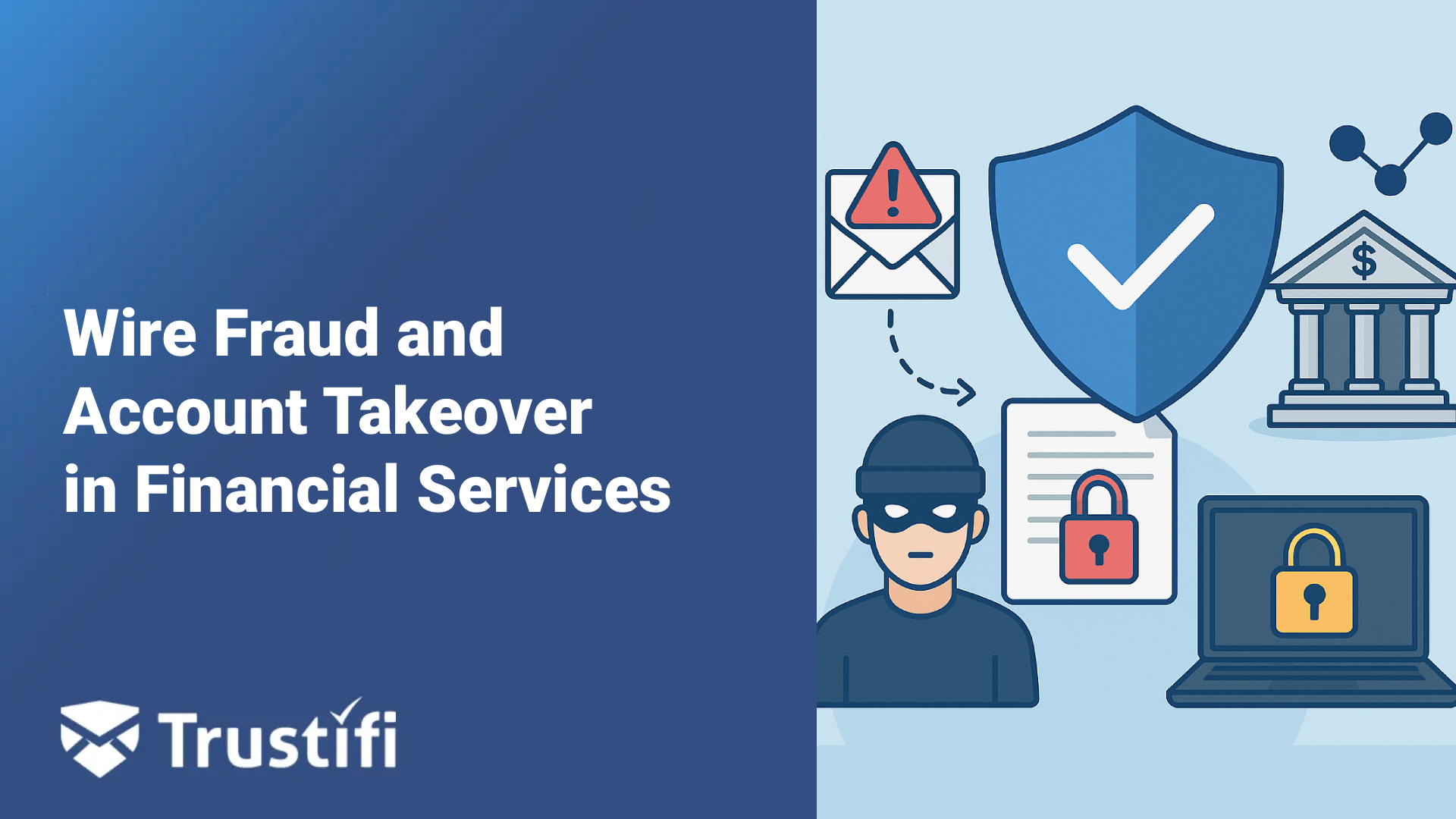
Stop Wire Fraud and Account Takeover in Financial Services with Trustifi
Introduction Email, digital banking, and real time payments now sit at the center of how banks, credit unions, and fintechs serve customers. Wires, ACH transfers, and instant payment rails move large sums of money in seconds, often triggered or confirmed...