Email Security Blog


Trustifi’s Anti-Bot Detection Stops Targeted Attacks Shrouded Inside of Known Global Sites
Over the past several weeks, Trustifi has identified an increase of 250%-300% in email attacks from hackers that impersonate the targeted campaign while they shrouded themselves inside known global sites (AWS/YouTube/Google Translate) to host their malicious links. This combination is...

What is Fileless Malware, and How Can It be Stopped?
Fileless malware attacks computers with legitimate programs that use standard software. This challenging malware lives in Random Access Memory space, making it harder to detect. Users clicking on malicious files or downloading suspicious attachments in an email will lead to...
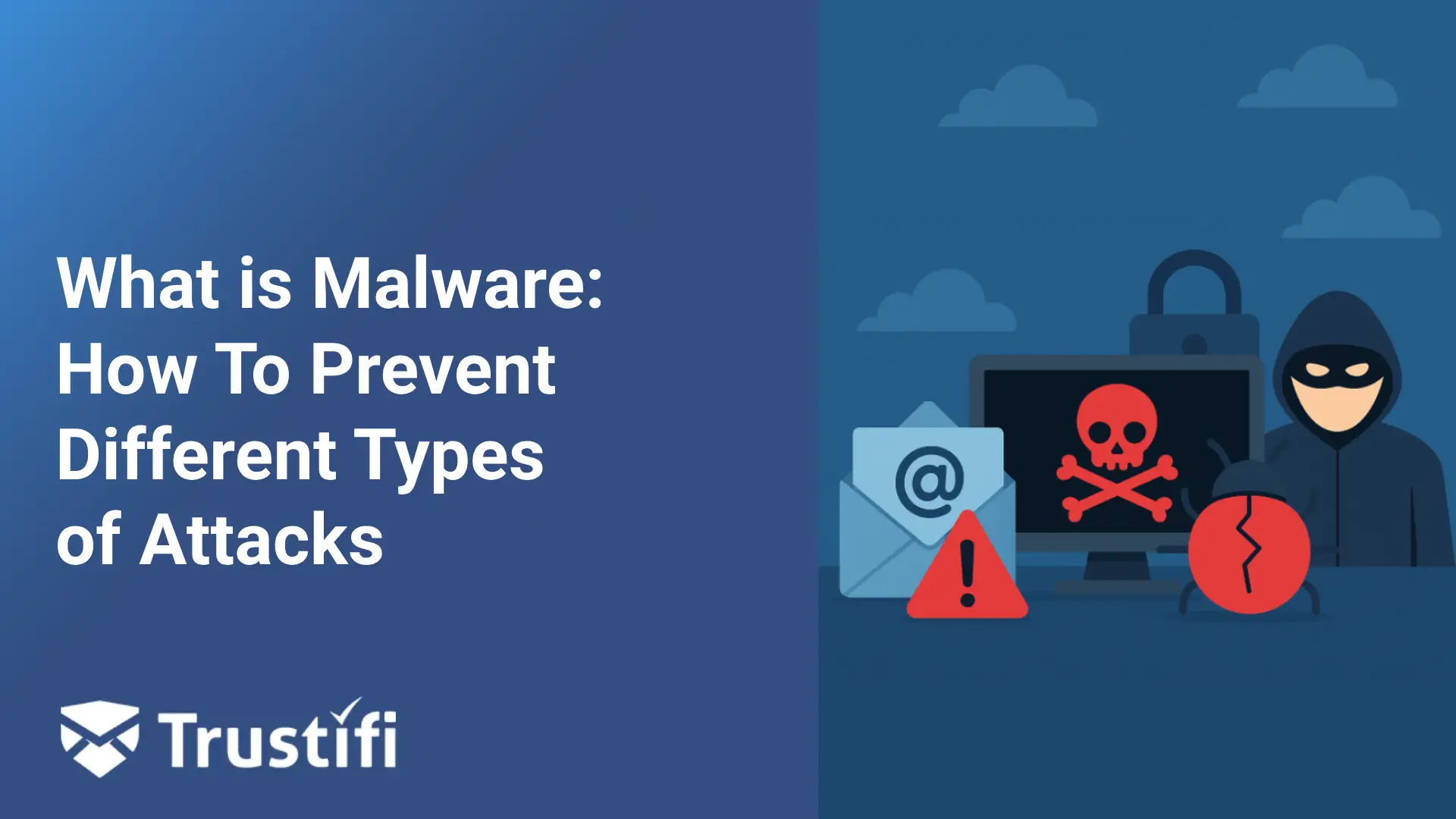
What is Malware?
Hackers and malware are related and often involve malicious software downloads from email phishing attacks and message attachments to a victim’s computer system and operating systems. Ultimately, the hacker’s goal is to steal personal and corporate data, as well as...

What is PUP Malware?
Potentially unwanted programs (PUPs) often become downloaded on the devices with a user’s consent. Despite the possibility of them being unwanted, these programs carry various types of malware, including spyware, adware, and dialers, and may negatively affect computer performance or...


Domain Spoofing Control – The Trustifi Way
Email domain spoofing aims to impersonate someone or an organization intending to steal information, falsify documentation, or distribute counterfeit goods. While DMARC is an effective tool for mitigating email spoofing attacks, managing it can be challenging, and it often requires...

ChatGPT-3 AI Perfection is Imperfection in Disguise
We often criticize chatbots as being unreliable and can give inaccurate answers in some ways. Since the ChatGPT training process uses a trial-and-error system, its accuracy only depends on data and algorithms. Organizations considering leveraging Artificial intelligence(AI) tools like ChatGPT...

Chat GPT Phishing: A New Era in Business Email Compromise
Business email compromise (BEC) is a type of scam that uses legitimate or stolen email addresses to acquire money, personal information, payments, credit card numbers, and other data from businesses. Companies that conduct wire transfers, foreign supplier transactions, and invoices...