Email Security Blog
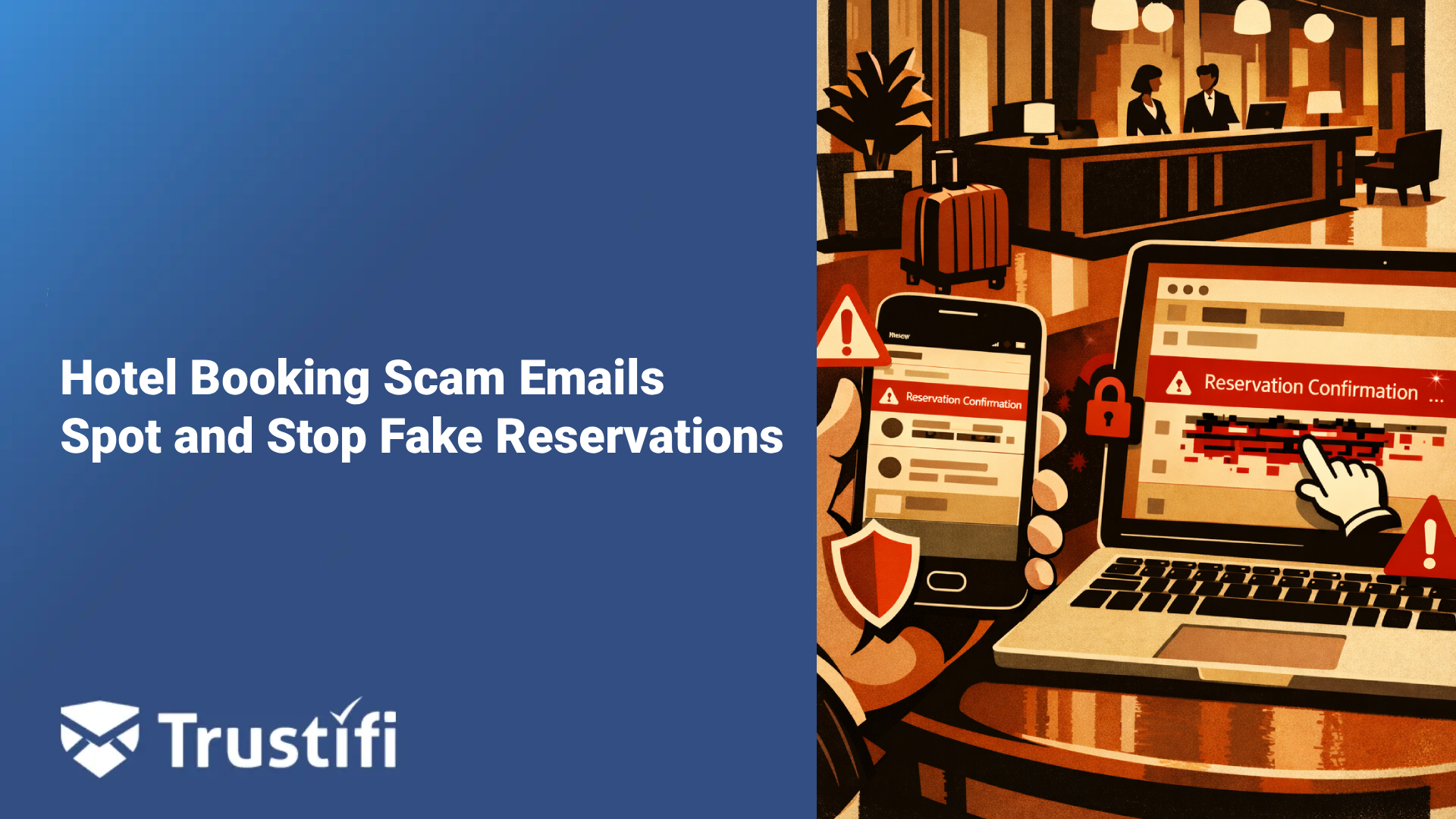

Reservation Confirmed? Spotting and Stopping Hotel Booking Scam Emails
Introduction Why hotel booking scam emails are rising during peak travel seasons When travel demand spikes, inboxes fill up with confirmations, change requests, upgrades, and payment questions. Scammers blend into that noise because you are more likely to be moving...
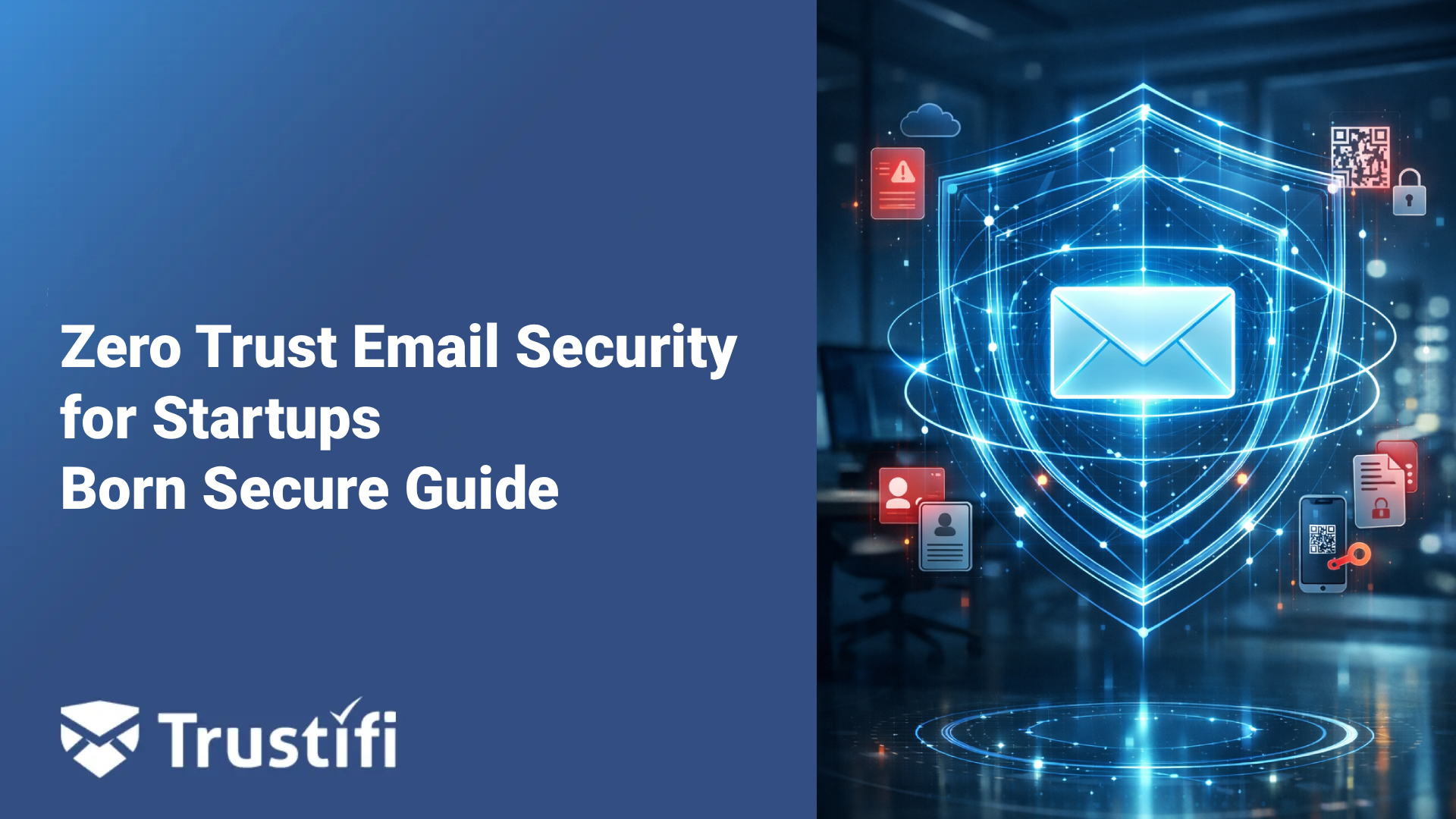
Born Secure: Implementing Zero Trust Email Security in Startups
Introduction Startups move fast, and email is still where approvals, invoices, customer conversations, and “quick questions” happen. That is exactly why email deserves Zero Trust from day one. If you wait until you have a security team or a compliance...
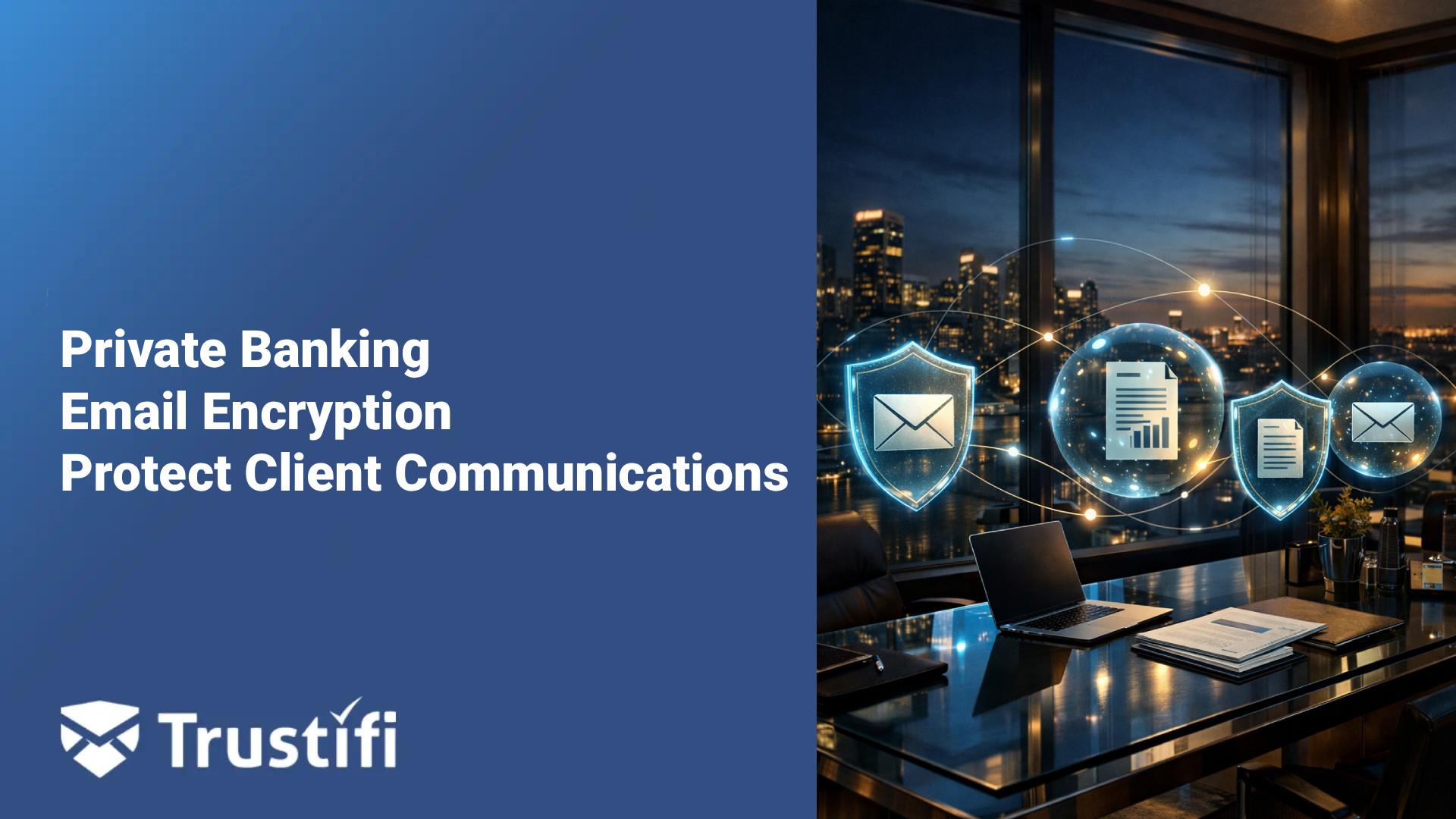
Private Banking, Private Emails: Encrypting Client Communications in Finance
Introduction Why secure email still matters in private banking and wealth management Email remains the fastest way to move information between relationship managers, assistants, clients, and third parties. It is also where high-value requests show up first, like beneficiary updates,...
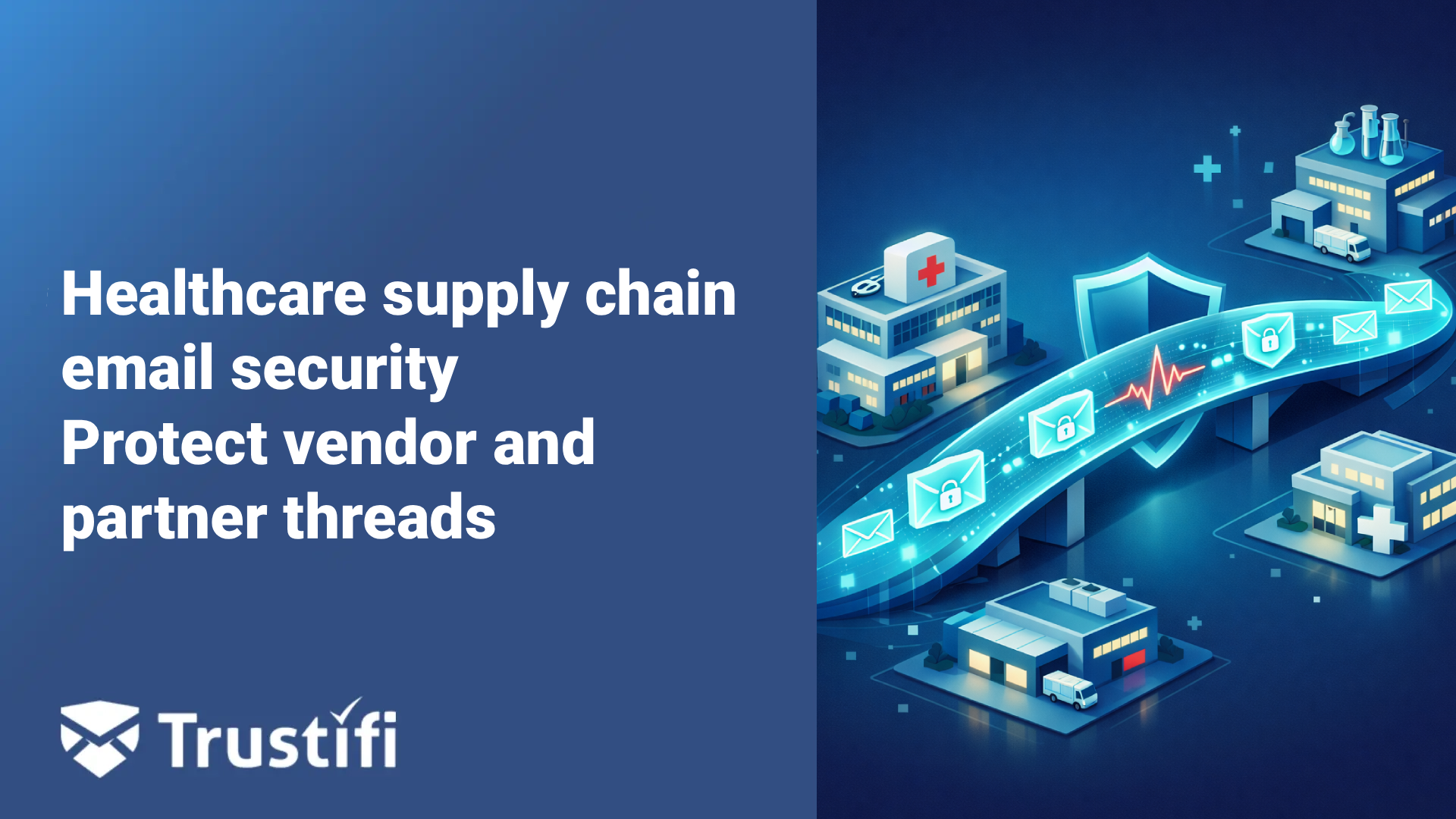
Securing the Healthcare Supply Chain: Email Security for Vendors and Partners
Introduction What healthcare vendor email chains are and why they are mission-critical Healthcare operations run on email threads that connect providers to suppliers, labs, billing partners, MSPs, and service vendors. These chains move purchase orders, shipping updates, access requests, and...
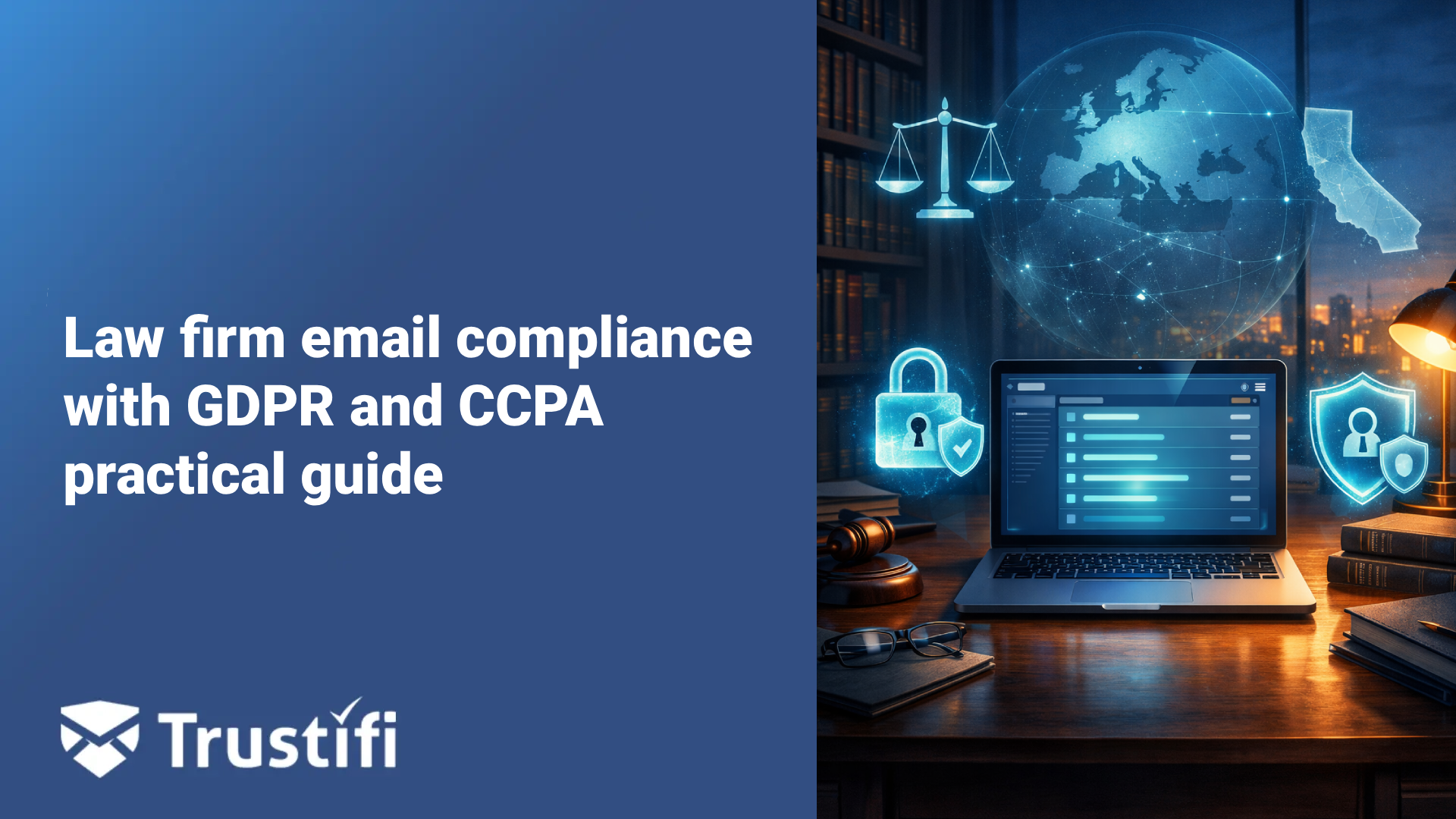
Global Privacy in the Inbox: Ensuring Law Firm Emails Comply with GDPR and CCPA
Introduction Why email compliance is uniquely high stakes for law firms For law firms, email is where confidential facts, strategy, and sensitive personal data move fastest. That makes the inbox a compliance hotspot, because a single misstep can create both...
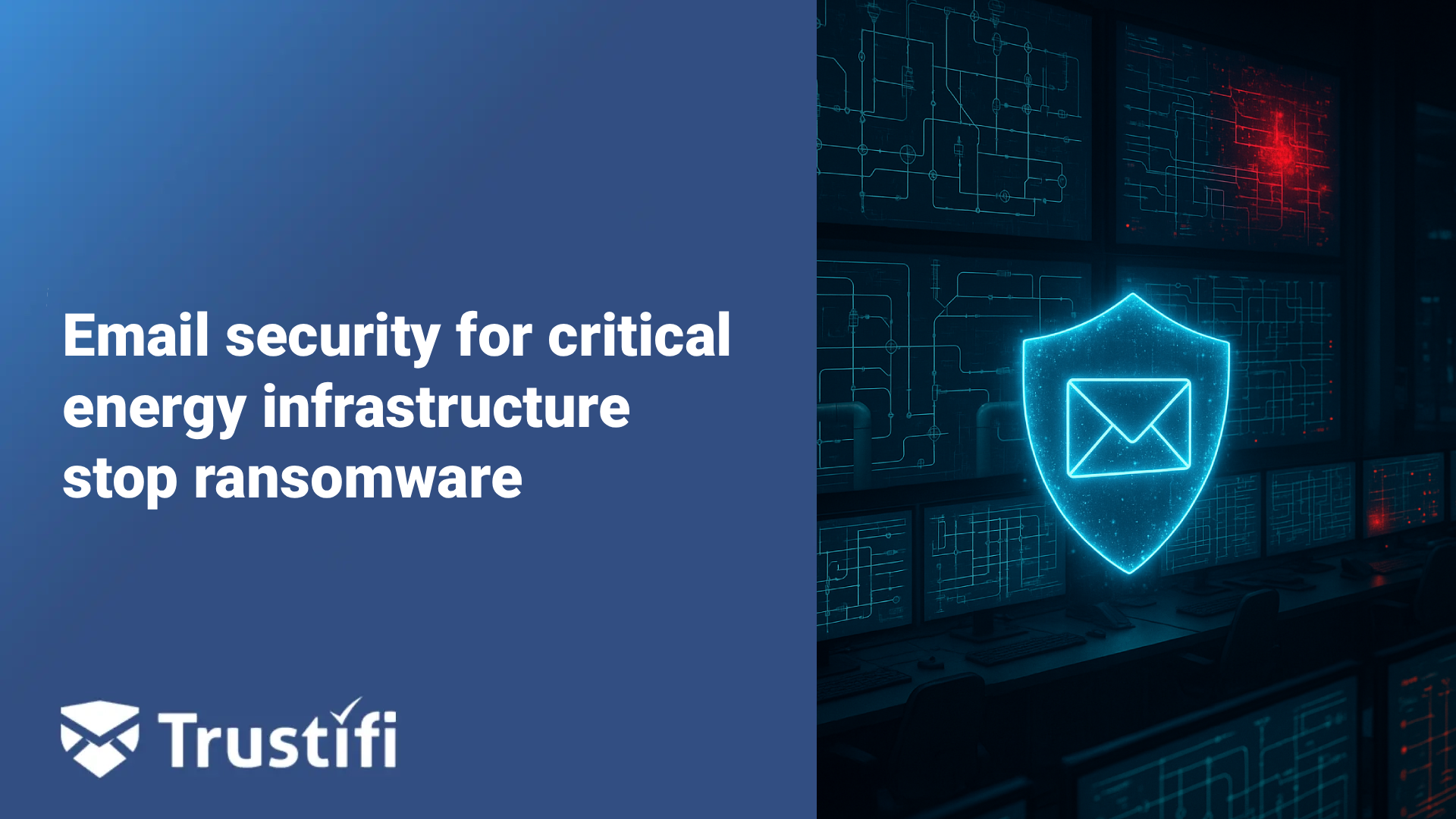
Ransomware in the Pipeline: Email Security Strategies to Protect Critical Energy Infrastructure
Introduction Why ransomware prevention matters in critical infrastructure Energy, oil and gas, and utility organizations run systems that keep communities running. When ransomware hits, the impact can move fast from IT disruption to missed dispatches, delayed maintenance, or downtime that...
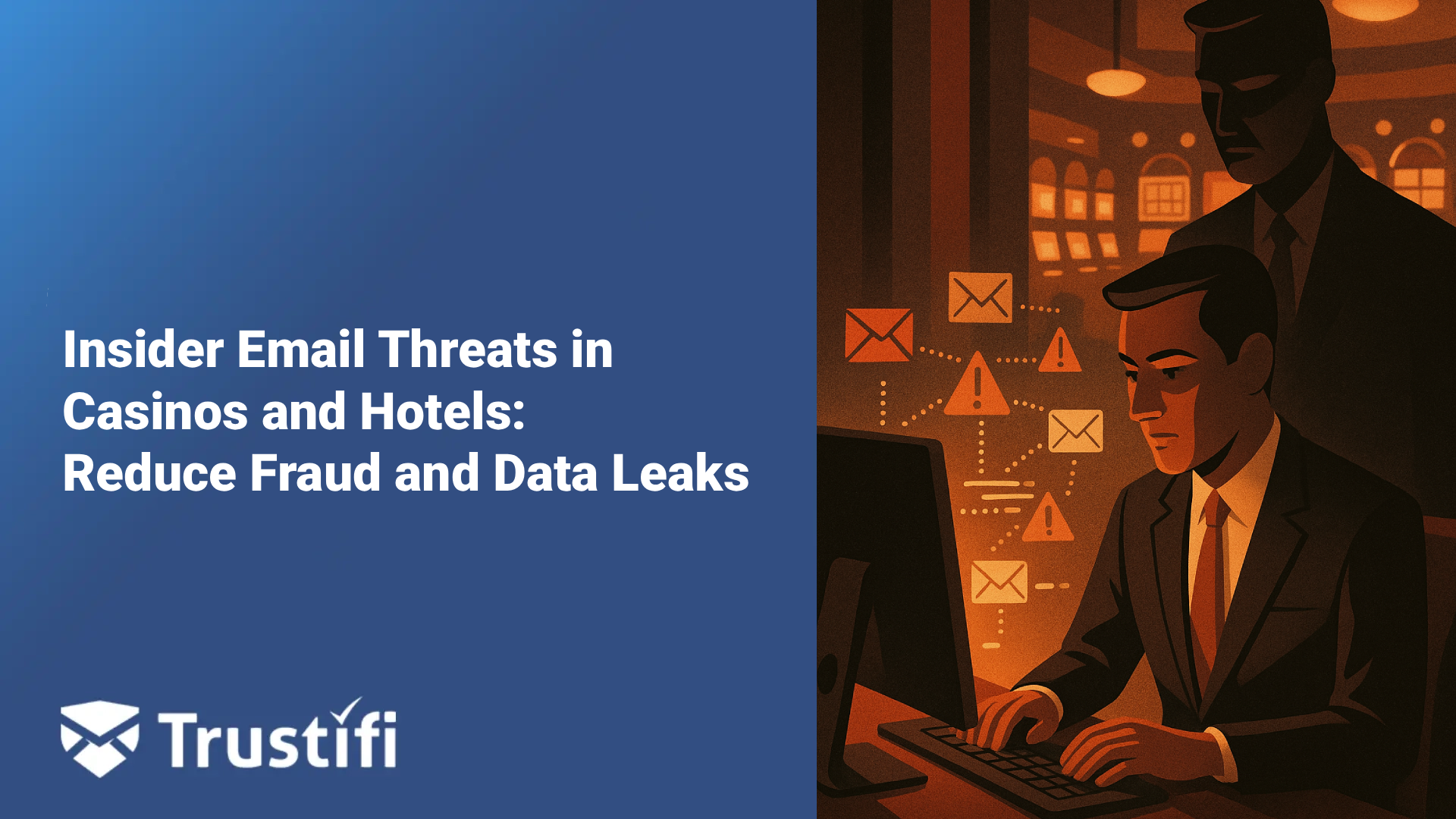
Behind the Counter: Addressing Insider Email Threats in Casinos and Hotels
Introduction What insider email risk looks like in casinos and hotels Insider email risk is not just a “bad actor with access” problem. In hospitality, it often starts as a convenience shortcut that becomes normal, shared inbox logins, forwarded messages...
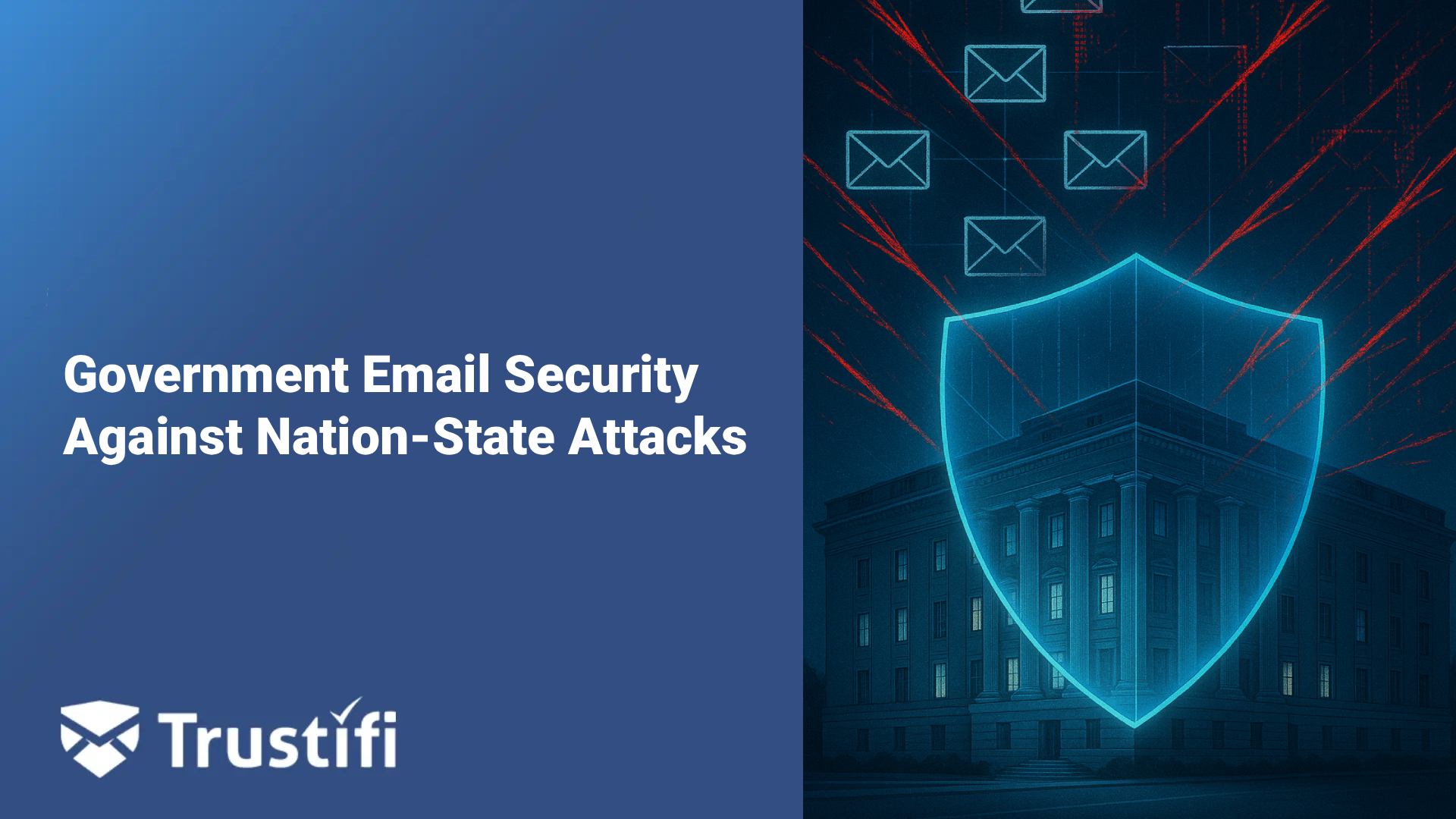
State-Sponsored Spoofs: Defending Government Email from Nation-State Attacks
Introduction Why government email is a high-value target Government email sits at the center of public trust, sensitive data, and day-to-day operations. It carries policy discussions, citizen services, procurement actions, and crisis coordination. That combination makes it a high-value target...
Don’t Take the Bait: How Financial Firms Protect Customers from Phishing Emails
Introduction Why phishing remains a top threat to banking and fintech customers Phishing works because it targets human decision-making, not just technical gaps. Financial customers have high-value accounts, frequent notifications, and lots of legitimate messages to sift through, so a...