Introduction
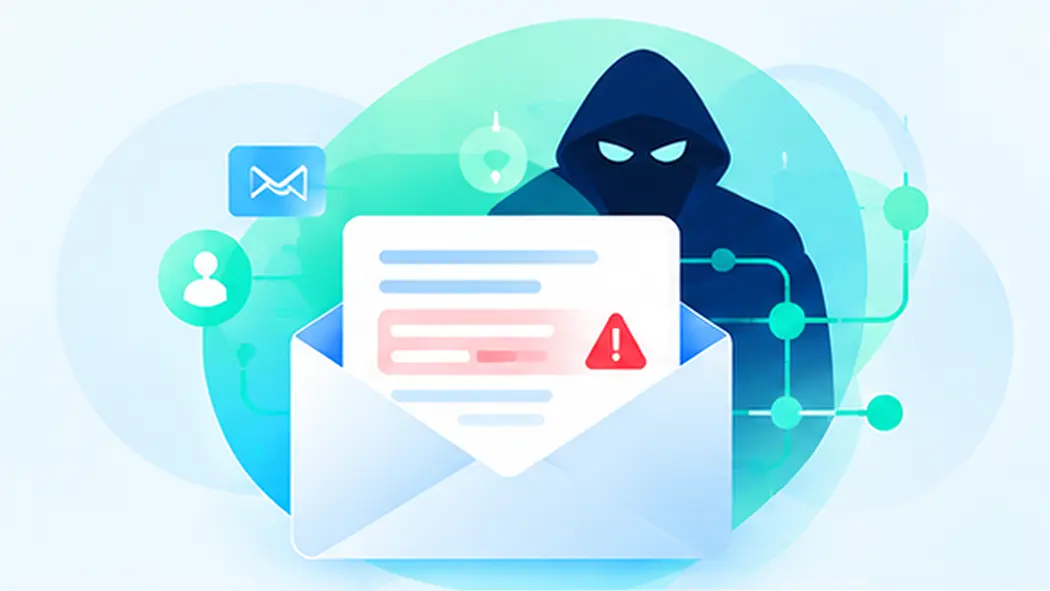
Phishing attacks have evolved rapidly in recent years. What started as generic, easily spotted scam emails have turned into highly sophisticated threats. Now, with the emergence of AI-generated phishing , organizations face new challenges that legacy defenses simply cannot match. These attacks use artificial intelligence to create hyper-personalized, convincing messages that can easily bypass traditional filters. Adapting your enterprise security approach is more important than ever before.
The Rise of AI-Generated Phishing
Attackers now leverage powerful AI models to generate phishing emails that are tailored to individual recipients. By analyzing publicly available data from social media, business profiles, and previous communications, these models can craft messages that feel authentic. The result? A phishing email that reads as if it comes from a trusted colleague or vendor.
- Traditional phishing relied on generic templates and often contained language errors or obvious red flags.
- AI-powered phishing sounds natural, uses relevant context, and can even mimic internal communication styles.
For example, in a recent campaign against a global enterprise, attackers used AI to compose emails that referenced internal projects and even included correct company terminology. Multiple executives engaged with these emails before the threat was detected—demonstrating how effective hyper-personalization can be.
Key Risks and Challenges
- Mass scale and automation : AI enables cybercriminals to launch large campaigns instantly, targeting hundreds or thousands of employees with customized messages.
- More convincing social engineering : Advanced language models can replicate tone, writing style, and context, making detection by humans and technology much more difficult.
- Heightened threat to privacy and assets : Once an employee is fooled, attackers can access sensitive data, financial systems, or even spread malware across the organization—putting your company’s reputation and trust at risk.
Because these attacks adapt quickly, static systems and routine human vigilance are less likely to catch them before it’s too late.
Legacy Defenses: Where They Fall Short
Many organizations still depend on basic spam filters and keyword scanners to weed out phishing attempts. While these methods work for older, unsophisticated attacks, they struggle with the nuance of AI-generated messages.
- Standard spam filters often miss contextually rich content that AI-generated phishing emails use.
- Keyword and pattern matching can’t detect messages that are natural, targeted, and free of typical warning signs.
Ongoing employee training remains important, but even the most vigilant staff can be deceived by a highly realistic, personalized phishing email. Relying on human awareness alone no longer provides sufficient protection.
Best Practices for Combatting AI-Powered Phishing
- Adopt advanced threat detection : Invest in security solutions that use behavioral analysis and machine learning to spot abnormal communication patterns and recognize even subtle phishing attacks.
- Provide continuous education : Simulate AI-driven phishing attacks during employee training to foster skepticism and critical thinking skills among your team.
- Leverage real-time intelligence : Use up-to-date threat intelligence feeds and automated systems that learn from global attack trends and adjust protections instantly.
Combining people, processes, and intelligent technologies creates a layered defense that is much more resilient to evolving threats.
Recommended Security Features
- AI-driven email authentication and anomaly detection : Tools that verify sender identity and flag suspicious activity based on communication context.
- End-to-end email encryption : Ensures that sensitive data stays protected, even if intercepted during transmission.
- Advanced reporting and incident response : Fast, actionable alerts and intuitive dashboards help security teams react quickly and contain any incidents.
These capabilities form the backbone of a modern defense against AI-powered phishing campaigns.
How Trustifi Supports Advanced Email Threat Protection
Trustifi offers a comprehensive platform designed specifically for the new era of email threats. Using AI-powered filtering and real-time threat analysis, Trustifi identifies and blocks hyper-personalized phishing attempts before they reach inboxes. Its automated machine learning algorithms learn from user interactions and adapt quickly to emerging attack patterns.
- Seamless integration : Trustifi deploys easily within most enterprise environments, providing powerful email encryption, sender authentication, and granular reporting with minimal disruption to daily workflows.
- Dedicated defense against AI phishing : By monitoring email context, user behavior, and message origins, Trustifi helps stop advanced attacks that legacy solutions overlook.
To learn more about how Trustifi’s capabilities enhance your organization’s overall security, visit the official Trustifi Email Security page .
Conclusion
AI-generated phishing is now the single biggest email threat organizations face. With legacy solutions lagging behind and attackers constantly adapting, you need forward-thinking strategies and technologies to safeguard your data, financial assets, and reputation.
- Recognize and understand the unique risks of AI-powered phishing.
- Upgrade to email security solutions that combine machine intelligence and human vigilance.
- Prioritize platforms that can adapt as cyberthreats evolve.
Protect your organization from this new wave of threats by exploring how Trustifi delivers the next level of enterprise email security—built for today’s risks and tomorrow’s challenges.