Introduction
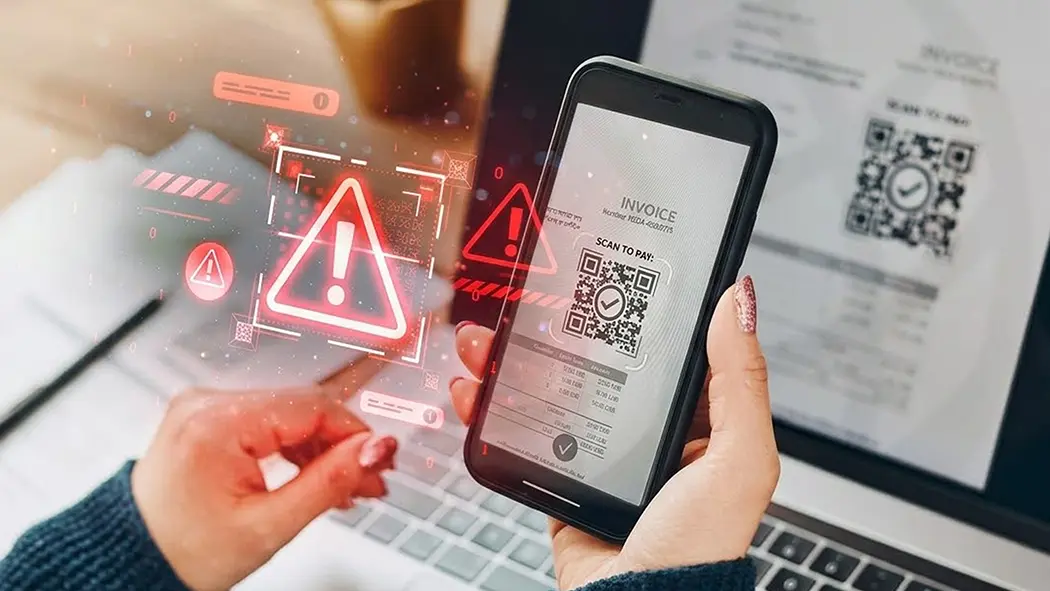
Email phishing is no longer a nuisance for casinos, it is a direct threat to your highest value players and your brand. Attackers know that VIPs control large bankrolls, move money frequently, and expect fast, personalized service by email. When a VIP client falls for an email scam, the damage hits on several fronts. Funds can disappear, cards are abused, loyalty balances are drained, and your reputation in the high roller community takes a hit. Compliance teams then need to untangle potential anti money laundering issues and data privacy concerns from a single compromised inbox. This guide walks through how email scams target casino VIPs, what is at stake for operators, the red flags your clients should recognize, and the layered controls you can put in place. You will also see how a modern email security platform like Trustifi helps protect VIP communications end to end.Understanding VIP and High Roller Risk
VIPs and high rollers are not just big spenders, they are clients with dedicated hosts, tailored comp packages, and preferred access to games, credit, and events. In land based casinos, they may coordinate travel, room upgrades, markers, and chip purchases through a small circle of hosts and cage contacts. Online and hybrid operators extend this experience through email, portals, and concierge style digital channels. Typical communication patterns include frequent back and forth about deposits and withdrawals, limits, special promotions, and reservations. Many of these exchanges happen over email, especially when clients are on the move or playing across properties and jurisdictions. Because VIPs expect white glove service, they also expect quick responses and may act on urgent messages without much skepticism. When a message appears to come from a trusted host or executive and mentions a time sensitive opportunity, there is a strong pull to click, reply, or send funds. Attackers deliberately exploit this combination of trust, urgency, and financial privilege.Common Email Scam Tactics Targeting VIP Clients
Scammers mix social engineering and technical tricks to make their emails look like they belong inside a casino relationship. Understanding the patterns helps you design better protections for both staff and guests.Fake Bonus, Comp, and Jackpot Notifications
One common tactic is to send fake notifications about VIP only bonuses, comp offers, or jackpots that supposedly require quick action. The email may link to a lookalike login page that harvests credentials, or prompt the player to enter card details to unlock the reward. Once attackers have these credentials, they can access player accounts, move funds, or reuse the same password across other gambling and financial services. The scam may also spread if the compromised account starts forwarding the message to other high value players.Spoofed Messages from Hosts or Executives
Another high impact tactic is impersonating a known host, cage manager, or senior executive. These emails typically request urgent deposits, payment of outstanding balances, or confirmation of bank details for a wire transfer. They often reference real events, such as an upcoming visit or tournament, to appear more authentic. Because VIPs and even internal staff are used to handling money over email, a convincing spoof that uses a similar looking domain can be enough to trigger large transfers that are difficult to reverse.Phishing for Fake Sportsbooks and Casino Sites
Scammers also lure VIPs to fake online sportsbooks or casino portals that mimic the look and feel of the operator’s brand. Emails may promote exclusive high limit offers or early access to events, with links that lead to cloned websites designed to capture deposits and card data. In some cases, victims may not realize they have been scammed until their real casino account shows no record of the deposit, or their bank flags unusual transactions.Malicious Links, Attachments, and Remote Access Tools
Even when no payment is requested, phishing emails can contain links or attachments that drop malware or remote access tools. For example, a VIP might receive a supposed itinerary, statement, or comp confirmation as a PDF or spreadsheet. Opening the file can install software that gives attackers persistent access to the device and associated accounts. Implementing malware protection at the email gateway level is essential to stop these threats before they reach user inboxes. For example, a VIP might receive a supposed itinerary, statement, or comp confirmation as a PDF or spreadsheet. Opening the file can install software that gives attackers persistent access to the device and associated accounts. A compromised device used for both gambling and personal finance becomes a gateway into a much wider set of sensitive information, including other casinos, e wallet apps, and banking portals.Blended Email, SMS, and Social Media Campaigns
More sophisticated campaigns combine email with SMS and social media channels. A scammer may email a VIP, then follow up by text pretending to be the same host, or connect on social platforms to increase credibility. Each message reinforces the story, making it harder for the target to spot inconsistencies. Because VIP clients often rely on multiple channels to reach their hosts, these blended attacks can feel like normal communication, which is exactly what scammers want.High Impact Consequences for Casinos and VIPs
When a VIP falls victim to an email scam, the direct financial losses are only the beginning. The fallout can ripple across your operation, affecting risk, compliance, and long term revenue from high value segments. Fraudulent deposits, chip purchases, chargebacks, and disputed withdrawals create immediate financial exposure. Attackers may also steal loyalty points, comps, and stored payment instruments that represent real value to both the player and the property. If scammers take over a VIP’s player profile or online betting account, they can change limits, cash out balances, and manipulate account information. Restoring control requires coordinated action between security, cage operations, and customer service, and may still leave the client feeling unsafe. On top of this, regulators may scrutinize whether your controls around anti money laundering, know your customer, and data protection were sufficient. A single high profile incident that hits the news can damage your brand and push other VIPs to quietly move their action elsewhere.Red Flags VIP Clients Should Learn to Spot
Casinos cannot prevent every phishing email from reaching VIP inboxes, but you can dramatically reduce risk by teaching clients what to look for. Clear, consistent guidance empowers VIPs to pause before they click.- Unexpected win or offer messages with urgent deadlines: Emails that say you won a prize, qualify for an exclusive promotion, or must act within hours are classic phishing triggers. Legitimate offers from reputable casinos rarely require immediate action by email alone.
- Sender addresses that almost match your casino: Attackers often register domains that look nearly identical to the official brand, for example with extra letters or alternate endings. Even small differences are a warning sign.
- Requests to verify identity or card details via email: Any email asking you to fill out forms, send photos of identification, or reenter card numbers through a link should be treated as suspicious. Trusted operators provide secure portals or pre agreed channels for these steps.
- Links that redirect away from the official domain: Before clicking, VIPs should hover over links to see the actual destination. If the domain does not match the casino’s real website or approved app stores, they should not proceed.
- Sloppy formatting or strange attachments: Poor spelling, inconsistent branding, or unexpected file types such as compressed archives and macro enabled documents are strong red flags. VIPs should never open such attachments without direct confirmation from their known host.
Best Practices for Casinos to Shield VIPs from Email Scams
Protecting VIP clients from phishing requires a blend of policy, technology, and education. The goal is to make it hard for attackers to impersonate you, and easy for both staff and guests to verify what is real.Policy and Process Controls
Start by defining clear, approved channels for all VIP financial and account related communications. For example, you may decide that changes to bank details or credit limits are only confirmed through a secure portal or pre arranged phone calls, not by email alone. Require out of band verification for any large transfers, payment method changes, or unusual activity notifications. That might mean a phone call to a known number, a secure in app message, or a second factor confirmation outside the email channel. Standardize how hosts and VIP services teams communicate, using templates and disclaimers that explain what the casino will never ask clients to do by email. Centralize VIP outreach in secure, logged systems so that individual staff are not sending ad hoc messages from personal or unmanaged accounts.Technical Safeguards
On the technical side, enforce strong authentication for staff and VIP portals, including multi factor authentication, single sign on, and conditional access where risky logins face extra checks. This reduces the chances that attackers can hijack genuine accounts to send believable phishing from inside your environment. Implement domain protection controls such as SPF, DKIM, and DMARC to make spoofed emails harder to deliver using your brand. Combine this with advanced spam and phishing filters that can inspect URLs and attachments in real time, rewriting or sandboxing them for analysis before users can interact. Segment your internal systems so that a compromised email account cannot directly access payment platforms, player management systems, or back office applications. Limiting lateral movement sharply reduces the damage an attacker can do from a single foothold.VIP Education and Awareness
General staff security training is not enough for the unique dynamics of VIP relationships. Create targeted awareness content specifically for hosts, cage teams, and high limit players that shows how phishing campaigns mimic real casino workflows. Share anonymized examples of real world phishing and whaling attempts, highlighting what made them convincing and what gave them away. Encourage VIPs to verify any unexpected message with their known host or concierge using a phone number or channel already on file. Finally, establish an easy, visible way for VIPs and staff to report suspicious emails. A dedicated mailbox or button within the email client makes it much more likely that potential scams are flagged in time for investigation.Recommended Security Features for Casino Email Environments
Modern casino email environments need security features that go beyond basic spam filtering. The following categories of controls help detect targeted attacks, prevent data exposure, and support compliance obligations.Advanced Threat Protection and Phishing Detection
Advanced threat protection should include machine learning and behavioral analysis to identify business email compromise, whaling, and targeted phishing attempts that focus on VIP hosts and finance teams. These tools can look at message patterns, sender relationships, and language cues to flag suspicious activity even when no known malware signature is present. Anomaly detection can also watch for unusual login patterns, geolocations, or sending behaviors that indicate possible account takeover. Real time alerts about attempted impersonation of executives, cage operations, or VIP services allow security teams to respond before damage escalates.Data Loss Prevention and Encryption
Data loss prevention (DLP) policies help automatically identify sensitive content in email, such as payment card data, bank account information, or copies of identification documents. When these patterns are detected, rules can block the message, apply encryption, or require additional approval. Policy based encryption ensures that messages containing sensitive VIP details are only readable by intended recipients, using secure portals or protected email views instead of plain text delivery. You can also apply controls that prevent forwarding, downloading, or printing of certain high risk communications to limit the spread of sensitive information.Compliance, Audit, and Archiving
Regulated gaming operators must be able to reconstruct communication histories for dispute resolution, fraud investigations, and regulatory reviews. Email archiving with robust search capabilities is essential for this purpose, especially for VIP and high limit activity. Detailed reporting across your email environment helps identify repeated policy violations, risky behaviors, and emerging fraud patterns. Configurable policies aligned with gaming, financial, and privacy regulations in your jurisdictions make it easier to demonstrate that appropriate safeguards and oversight are in place.How Trustifi Supports Shielding VIP Clients from Email Scams
Trustifi is a cloud native email security platform that integrates with Microsoft 365 and Google Workspace to help casinos protect player communications, including the most sensitive VIP relationships. It combines inbound threat protection, outbound DLP and encryption, and comprehensive visibility so you can manage email risk without disrupting service.Casino Ready Email Security Platform
Because Trustifi sits in the cloud, it can be deployed quickly across multiple properties and brands, with centralized policies that still allow local flexibility. Gaming operators can use Trustifi to apply consistent controls to hosts, cage operations, finance, and marketing teams that interact with VIPs every day. The platform is designed to work alongside existing identity and access management tools and can respect the complex organizational structures found in hospitality and resort environments.Protection Against VIP Focused Phishing and BEC
Trustifi’s Inbound Shield analyzes incoming messages for phishing, business email compromise, and impersonation tactics that target VIP hosts, executives, and payments teams. It evaluates sender authenticity, message content, and behavioral signals to quarantine or flag risky emails before they reach user inboxes. Account takeover protection capabilities help detect unusual login behavior or sending patterns that suggest a mailbox has been compromised. When issues are detected, Trustifi can automatically enforce additional controls, such as stepping up authentication requirements or limiting the ability to send external emails until the issue is resolved.Securing Sensitive VIP Communications
On the outbound side, Trustifi’s Outbound Shield combines DLP and user friendly encryption so staff can safely handle VIP information by email. Policies can scan messages and attachments for payment details, player IDs, and KYC documentation, then automatically encrypt or block messages based on your rules. Trustifi also provides fine grained controls over messages that have already been sent, such as the ability to revoke access, block forwarding, or restrict attachment downloads. This is especially valuable when a VIP reports a suspicious incident, since you can limit exposure even after initial delivery.Compliance and Visibility for Gaming Operators
Trustifi offers centralized logging, reporting, and archiving features that support audits, dispute resolution, and investigations involving VIP activity. Security and compliance teams gain a clear view of how sensitive data flows through email, which helps in documenting controls for regulators and internal governance. By aligning configurable policies with your gaming, financial, and privacy obligations, Trustifi helps your organization maintain a defensible posture while still delivering the high touch service VIP clients expect.Conclusion
VIP clients sit at the intersection of high financial value, frequent communication, and deep trust in your brand, which is exactly why email scammers focus on them. Phishing campaigns that impersonate hosts, promote fake offers, or push players to fraudulent portals can quickly lead to financial loss, regulatory headaches, and long term damage to your reputation. Casinos that combine clear communication policies, strong technical safeguards, targeted education, and a capable email security platform are far better positioned to protect their high rollers. By putting structured controls around VIP email workflows, you can reduce fraud, maintain player confidence, and support sustainable revenue growth from your most important clients.Call to Action
Now is the time for security, IT, and compliance leaders in casinos to take a fresh look at email protections around VIP, cage, and sportsbook communications. Map out how VIP information travels today, identify weak spots where phishing or spoofing could slip through, and prioritize improvements that directly reduce risk for high value players. Consider piloting Trustifi’s email security capabilities in your most sensitive departments to close phishing and business email compromise gaps before scammers reach VIP clients. A focused assessment and proof of concept can show how better visibility, DLP, and encryption improve protection without slowing down your teams. By investing in smarter email defenses now, you help ensure that the next urgent message your VIPs receive is a genuine offer from your casino, not the opening move in a costly scam.

Protect Your VIP Clients From Casino Phishing Scams
Partner with Trustifi to assess VIP email risks across hosts, cage operations, and sportsbook teams, then deploy layered controls that block phishing, secure sensitive communications, and support your gaming compliance obligations without sacrificing white glove service.