AI employee training in under two minutes. - Create a Video
Why Traditional Email Security Falls Short Against AI Phishing

Why Traditional Email Security Falls Short Against AI Phishing

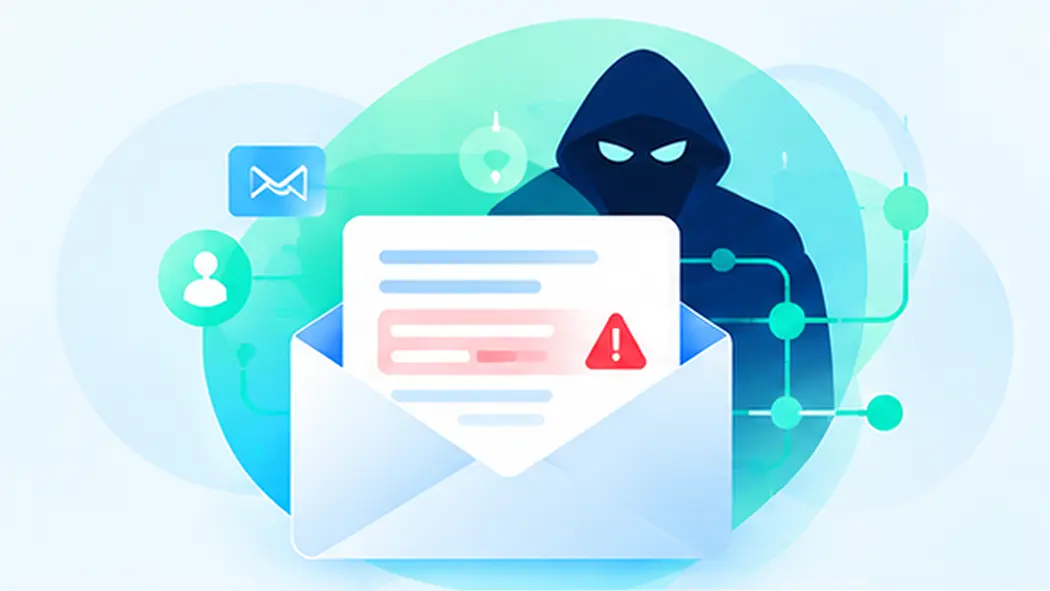
AI-generated phishing has changed the way cybercriminals attack organizations. For years, many email security tools relied on obvious warning signs: suspicious keywords, misspellings, unusual formatting, known malicious links, or previously identified sender domains. Those signals still matter, but they are no longer enough. Modern phishing emails can now be polished, personalized, and highly convincing. That makes them harder for legacy filters to detect and easier for employees to trust.

The New Reality of AI Phishing

AI phishing emails often look very different from the suspicious messages employees were trained to avoid. Instead of awkward wording or obvious grammar mistakes, these emails may:
  • Match a company’s tone and writing style
  • Reference real people, projects, or business processes
  • Use natural, professional language
  • Avoid suspicious keywords
  • Come from newly created or spoofed domains
  • Include requests that appear timely and relevant
Because these messages are customized and well-written, they can bypass traditional defenses that focus mainly on static rules and known threat indicators.

Why Legacy Email Filters Struggle

Traditional email filters are often designed to detect familiar patterns. They may look for:
  • Known malicious links
  • Suspicious attachments
  • Blacklisted domains
  • Common phishing phrases
  • Poor spelling or formatting
  • Previously reported threats
But AI-generated phishing does not always follow those patterns. Attackers can quickly create unique messages for each recipient, making every email slightly different. When an attack has no known signature, no obvious typo, and no previously flagged link, legacy systems may fail to recognize the threat.

Why Context Matters

To detect modern phishing attacks, email security must go beyond keyword matching. Advanced protection should evaluate the broader context of each message, including:
  • Sender behavior
  • Domain reputation
  • Writing style
  • Recipient relationship
  • Message intent
  • Link and attachment behavior
  • Unusual requests or timing
For example, an email may not contain any obviously malicious words, but it could still be suspicious if it comes from a new sender, references internal processes, and asks an employee to take urgent action. Context-aware detection helps identify these risks before users engage with the message.

The Risk to Businesses

AI phishing creates serious challenges for organizations because it increases both the scale and believability of attacks. Cybercriminals can use AI to create highly targeted emails faster than ever before. These messages may be used to support:
  • Credential theft
  • Business email compromise
  • Payment fraud
  • Data theft
  • Malware delivery
  • Account takeover attempts
As phishing becomes more personalized, organizations need email security that can adapt to evolving attack techniques.

How to Test Your Email Security Readiness

One of the most effective ways to evaluate your current protection is to run an AI phishing simulation. A controlled simulation can help determine:
  • Which emails reach users’ inboxes
  • Whether existing filters detect AI-generated threats
  • How employees respond to realistic phishing attempts
  • Where additional protection or training is needed
The results can reveal whether your current email security is prepared for modern AI-driven attacks.

How Trustifi Helps Defend Against Advanced Phishing

Trustifi helps organizations strengthen email security with advanced phishing protection, threat detection, email encryption, and outbound security controls. By analyzing more than static keywords or known bad links, Trustifi helps businesses identify suspicious messages, reduce phishing risk, and protect sensitive communications.

Key Benefits of Trustifi

  • Advanced phishing protection
  • Context-aware email threat detection
  • Email encryption
  • Secure file sharing
  • Data loss prevention capabilities
  • Outbound email security
  • Microsoft 365 and Outlook integration
  • Simple deployment and user experience

AI Phishing Requires Smarter Email Security

AI has made phishing more convincing, more scalable, and harder to detect with traditional tools. Organizations can no longer rely only on static rules, keyword matching, or known threat databases. To stay protected, businesses need modern email security that evaluates behavior, context, and intent. As phishing tactics evolve, your email defenses need to evolve with them.
Mark Liapustin
Mark Liapustin
Chief Information Security Officer (CISO)

As CISO at Trustifi, leads the Email Managed Detection and Response (EMDR) Team, delivering cutting-edge email security solutions to clients worldwide. With years of expertise in Web Application and Email Security, brings deep technical knowledge and strategic foresight to the fight against evolving email threats. Focused on innovation and excellence, drives the development of advanced security solutions while ensuring Trustifi remains at the forefront of email security technology.

Related Posts