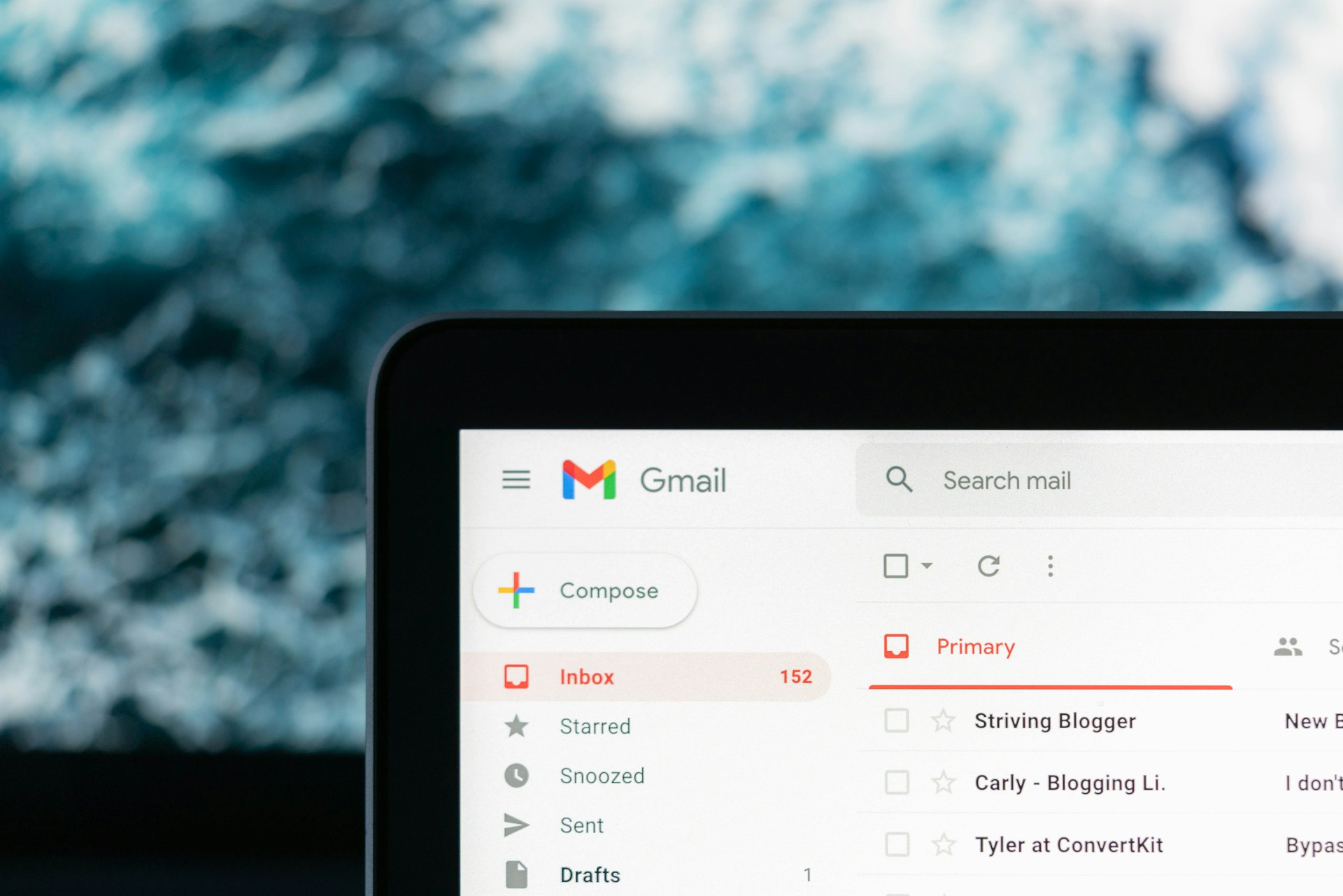
Attackers have shifted how they use email. Instead of relying on suspicious domains or obvious phishing links, they now operate inside platforms your business already trusts, including Microsoft 365, Google Drive, Adobe, and DocuSign.
Because these services use legitimate infrastructure, the emails look completely safe. They pass authentication checks, come from trusted domains, and follow familiar workflows. Nothing stands out at the moment the email is received.
The real threat appears later.
In most cases, the email is only the starting point. The user is guided into a normal action such as opening a shared file, reviewing a document, or signing a form. The malicious content is hidden inside that experience, often behind a link, embedded in a file, or delivered through a redirect that only appears after interaction.
This is why these attacks are effective. They blend into everyday business activity.
Why Trusted Platforms Work So Well
Trusted platforms remove friction for attackers. Emails sent through these services look legitimate to both users and security tools. Since organizations rely on them, blocking them is not practical. At the same time, users are already familiar with the experience, which increases the likelihood they will engage.
Attackers take advantage of that familiarity. The message feels routine, the action feels expected, and the environment looks safe.
What These Attacks Look Like in Practice
A common example starts with a file-sharing notification from Google Drive. The email is sent directly from Google and appears identical to a normal collaboration request. The user opens the file, expecting to review a document, but instead encounters a payment request or a link that leads to a phishing page.
In another scenario, an email arrives through Microsoft infrastructure referencing a large transaction. Instead of including a link, the message asks the recipient to call a support number. The interaction shifts from email to phone, where the attacker can request payment details or guide the user into installing remote access software.
Attackers also use SharePoint and OneDrive to host fake login pages. The email notification is legitimate, and the link leads to a familiar Microsoft interface. The user is prompted to verify their identity, enters their credentials, and unknowingly hands them over.
Adobe Sign and DocuSign are used in a similar way. The email asks the recipient to review or sign a document. Everything appears normal until the user clicks through and is redirected to a malicious page or presented with a deceptive form.
Across all of these examples, the pattern is consistent. The delivery is trusted, the experience feels normal, and the malicious step is delayed until after the user engages.
Why Traditional Email Security Misses This
Most email security tools are built to evaluate the message at the time it is delivered. They rely on domain reputation, known malicious links, and attachment scanning.
When an email comes from a trusted platform and contains no obvious indicators of compromise, it is treated as safe. The problem is that the actual threat is not visible at that stage. It appears later, after the user clicks, opens, or interacts.
Without visibility into that full interaction, these attacks pass through undetected.
Where Trustifi Fits
Trustifi focuses on what happens beyond the initial email.
It analyzes behavior, inspects links more deeply, and continues monitoring after delivery. It also evaluates communication patterns to understand whether a sender truly has a legitimate relationship with the recipient.
This approach makes it possible to identify attacks that look legitimate on the surface but behave differently once the user engages.
By catching those signals early, organizations can stop credential theft, financial fraud, and account compromise before damage is done.