Introduction
Overview of AI-enabled device code phishing
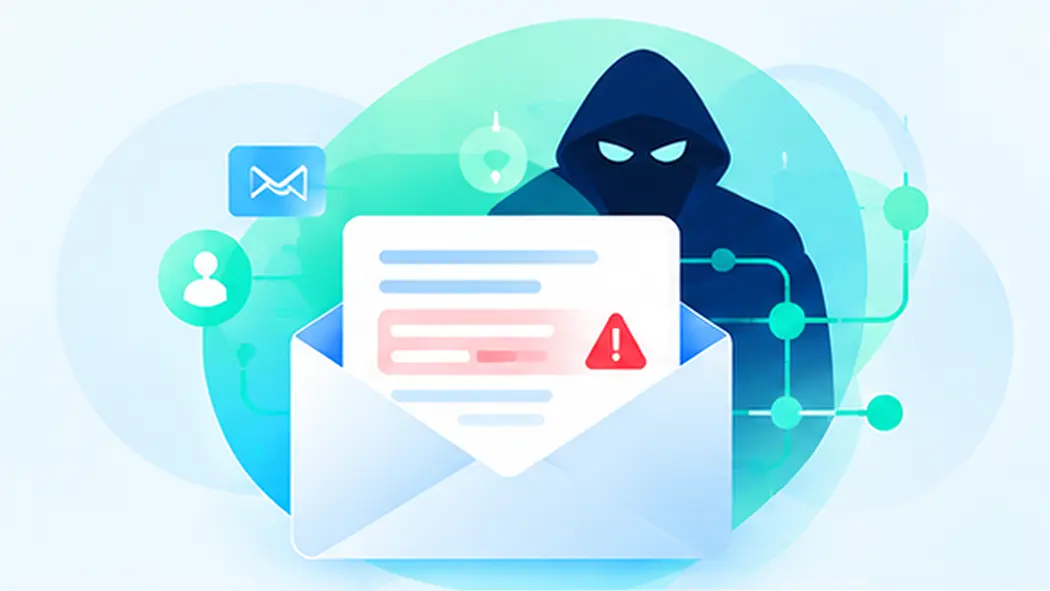
Phishing has changed. In many Microsoft 365 attacks, criminals no longer need to steal a user’s password to get in. Instead, they trick the user into completing a legitimate device sign-in flow, then capture the resulting tokens that grant access to cloud services. This technique is often called device code phishing . When AI is added to the mix, attackers can create more convincing lures, personalize messages faster, and adapt their approach in real time. That makes the threat harder for users to spot and harder for businesses to stop with older, password-focused defenses.Why Microsoft 365 users are increasingly being targeted
Microsoft 365 is a high-value target because it sits at the center of daily business operations. Email, Teams, OneDrive, SharePoint, and other connected apps all hold sensitive data, internal conversations, and access paths to broader business workflows. If an attacker gets valid tokens tied to a Microsoft 365 account, they may not need to break through perimeter defenses. They can often operate as if they were the user, which creates a serious risk for business email compromise, data exposure, and internal fraud.How token theft changes the modern phishing threat landscape
Traditional phishing usually focuses on usernames and passwords. Device code phishing shifts the target to access tokens and refresh tokens , which are digital credentials that let apps access services after a successful sign-in. That changes how you defend your environment. A user may believe they never gave away a password, yet the attacker still gains access. As a result, security teams need to monitor authentication flows, sessions, and token behavior, not just failed login attempts.What Is AI-Enabled Device Code Phishing?
How device code authentication works in Microsoft 365 environments
Device code authentication is a legitimate Microsoft identity feature designed for devices or apps that have limited input capability, such as smart displays, shared devices, or some command-line tools. The user is shown a short code and asked to enter it on a Microsoft sign-in page using another device, then approve access. In normal use, this method is convenient and secure. The problem is that attackers can abuse the same flow by sending a device code to a victim and persuading them to enter it on a real Microsoft login page. The sign-in is legitimate, but the session ends up benefiting the attacker.How attackers abuse legitimate sign-in flows
Instead of building a fake login page, attackers initiate a device authorization process themselves. They then send the resulting code to the victim, often with a believable story such as joining a meeting, accessing a secure document, or reauthenticating a work application. Because the victim interacts with an authentic Microsoft page, the process can feel safe. If the victim completes sign-in and any required multifactor authentication, the attacker may receive tokens that provide access to the victim’s Microsoft 365 resources.The role of AI in crafting more convincing phishing lures
AI helps attackers write cleaner, more natural messages that match a company’s tone and context. It can imitate executives, vendors, recruiters, or IT staff, and it can do this at scale across many users and regions. AI also improves speed. Attackers can generate multiple versions of a lure, test which ones get responses, and refine messages based on the target’s role, language, or behavior. This makes device code phishing campaigns more believable and more efficient.Why This Threat Is Different from Traditional Credential Phishing
No need to steal usernames and passwords directly
In a standard phishing attack, the criminal wants the victim to type a password into a fake page. In device code phishing, the user signs in through a real Microsoft workflow. That means the attacker can gain access without ever seeing the raw password. This matters because many users have been trained to look for fake login pages. When the login page is genuine, that visual check is no longer enough to keep them safe.Session tokens and refresh tokens as the real target
The attacker’s goal is usually the token set issued after successful authentication. Access tokens can grant access to specific resources, while refresh tokens may allow the attacker to maintain access by obtaining new tokens over time, depending on the tenant’s controls and session policies. In practice, this can lead to persistent access that survives longer than you might expect. Even if no password was entered into a phishing page, the account can still be compromised in a meaningful way.How attackers bypass password-based defenses and user expectations
Because the flow uses a legitimate sign-in process, traditional red flags may be missing. Password managers may not help, and users may assume that multifactor authentication means the request is safe. That is why device code phishing is so dangerous. It exploits trust in known sign-in systems and can bypass security awareness habits that were designed for older phishing methods.How the Attack Typically Works
Fake meeting invitations, chat requests, and urgent access prompts
Many attacks begin with a familiar message. A user might receive an email about a Teams meeting, a file review request, an urgent compliance task, or a help desk notification asking them to complete a quick sign-in step. The message often creates urgency and may reference real coworkers, vendors, or projects. With AI, these messages can be highly polished and specific, which increases the chance that a busy employee will comply.Social engineering victims into entering a device code
Next, the attacker provides a device code and instructions for entering it on a Microsoft sign-in page. The victim sees a legitimate Microsoft interface, which lowers suspicion. They may believe they are authenticating themselves into a business resource. This is the core trick. The user is not handing over a password to a fake page, they are authorizing the attacker’s session through a real one.Capturing tokens after successful authentication
Once the victim completes the process, the attacker can receive the issued tokens. Depending on permissions, tenant settings, and conditional access, those tokens may provide access to email, cloud files, chat data, or other Microsoft 365 services. At this stage, the attacker may quietly read messages, search for sensitive documents, or prepare follow-on fraud. Some activity can blend in with normal user behavior, which makes early detection more difficult.Using stolen access to move laterally across Microsoft 365 services
After initial access, attackers often expand their reach. They may review inbox rules, contact lists, Teams chats, shared files, and business processes tied to the compromised identity. From there, they can impersonate employees, request payments, exfiltrate documents, or target additional users inside the organization. A single successful device code phishing event can quickly become a much larger incident.Common Risks and Business Impacts
Unauthorized access to email, Teams, OneDrive, and SharePoint
Microsoft 365 accounts connect multiple collaboration tools in one ecosystem. If an attacker gains token-based access, they may be able to review email threads, open shared documents, download files, or read internal conversations. That can expose legal material, customer records, pricing data, financial information, or strategic plans. The damage often goes beyond the compromised mailbox.Business email compromise and internal impersonation
Once inside an account, attackers can send messages that appear fully legitimate to coworkers, customers, and suppliers. This is a classic business email compromise scenario, but token-based access can make it even more convincing because the messages come from a real account. Internal impersonation is especially dangerous. Employees are more likely to trust instructions from a known executive, finance contact, or project owner when the message arrives from the expected mailbox and communication history.Data theft, financial fraud, and sensitive file exposure
Attackers may search for invoices, banking details, tax forms, contracts, or identity documents. They can use that information for fraud, extortion, resale, or follow-up attacks against customers and partners. Even if direct financial theft does not happen immediately, the exposure of regulated or confidential data can trigger legal, contractual, and reputational consequences.Persistence through token reuse and delayed detection
Token-based compromise can remain unnoticed if teams focus only on password resets or failed login alerts. If the active tokens are not revoked, access may continue after the user believes the issue is fixed. This delay gives attackers time to explore, escalate, and cover their tracks. Fast containment depends on understanding token lifecycles and acting on suspicious session activity quickly.Why AI Makes Device Code Phishing More Dangerous
Personalized phishing messages at scale
AI allows criminals to customize lures for job roles, departments, projects, and even writing style. A finance employee may get a payment-related request, while a sales rep may get a document-sharing prompt that fits their day-to-day workflow. This level of personalization used to take time. Now it can happen almost instantly, across hundreds or thousands of targets.More believable multilingual attacks
Language quality used to be a common clue in phishing. AI reduces that advantage by producing fluent messages in many languages, including region-specific phrasing and business tone. For global organizations, this is a serious issue. Attackers can target distributed teams with messages that feel local and credible.Real-time adaptation based on user behavior and responses
AI-assisted campaigns can evolve during an interaction. If a user hesitates, the attacker can send a follow-up explanation, change the message tone, or imitate a different persona to rebuild trust. That flexibility makes social engineering far more dynamic than the old one-size-fits-all phishing email.Faster campaign deployment against distributed workforces
Remote and hybrid work environments create many opportunities for quick sign-in prompts and collaboration requests. AI helps attackers generate these messages rapidly, with enough variation to evade simple filtering and enough realism to fool busy users. The result is a larger attack surface and less time for defenders to react manually.Warning Signs Security Teams Should Watch For
Unusual device code sign-in activity
Security teams should review sign-in logs for unexpected device code authentication events, especially for users who do not normally use that flow. A sudden increase in these events can be an important signal. Context matters. If a user in finance suddenly authenticates a device-code session tied to an unfamiliar app or workflow, that deserves immediate review.Sign-ins from unexpected locations or unmanaged devices
Look for sessions originating from unusual geographies, impossible travel patterns, or devices that do not align with your normal managed environment. While attackers may try to hide their location, these anomalies still provide useful clues. Combining sign-in telemetry with device posture and user behavior can help separate normal activity from likely compromise.Suspicious consent patterns and abnormal token behavior
Consent grants, repeated reauthentication, unusual session persistence, and token activity tied to unfamiliar applications may all indicate abuse. These signals are especially important when they occur outside established workflows. Your analysts should understand what normal token issuance and session duration look like in your environment. Without that baseline, suspicious activity is easier to miss.Access anomalies across Microsoft 365 applications
Compromised tokens can be used across multiple services. Watch for unusual access to Exchange Online, Teams, OneDrive, and SharePoint, especially when a user suddenly begins accessing resources they do not usually touch. A simple summary can help teams focus on what matters most:- Unexpected device code authentication events
- Sessions from unusual locations or unknown devices
- Abnormal consent or token refresh behavior
- Cross-service access that does not fit the user’s role
Best Practices to Defend Against Device Code Phishing
Restrict or monitor device code authentication where possible
If your organization does not need device code authentication broadly, consider restricting it or applying tighter controls around where and how it is used. If you do need it, monitor it closely and document approved use cases. The goal is to reduce unnecessary exposure. A legitimate feature should not remain wide open if only a small part of the business needs it.Enforce conditional access and strong identity controls
Conditional access policies can help limit risky sign-ins based on device state, location, user risk, app context, and other signals. Strong identity controls also include multifactor authentication, least privilege, and clear app governance. These measures do not eliminate device code phishing, but they can reduce the chances that a stolen token leads to broad access.Limit token scope and session lifetime
Review token-related settings, app permissions, and session policies so users and applications only get the access they truly need. Shorter session lifetimes and tighter controls can reduce the value of a stolen token. This work is often overlooked, but it matters. Smaller permissions and shorter windows mean less room for attackers to operate.Educate employees on new phishing techniques beyond password theft
User awareness training should explain that not all phishing attacks ask for a password. Employees need to understand the risk of unsolicited device codes, unexpected authentication prompts, and requests to approve access for apps or sessions they did not initiate. Use practical examples. Show staff what a suspicious device code request looks like and what they should do instead, such as reporting it and verifying the request through a trusted channel.Monitor OAuth activity, session anomalies, and token misuse
Modern defense requires visibility into identity and session behavior. That includes OAuth activity, unusual consent grants, token anomalies, and signs of post-authentication abuse within Microsoft 365. Teams should correlate email threats with authentication events. If a suspicious message was delivered and a user soon completed an unusual sign-in flow, that combined evidence can speed up detection.Build rapid response playbooks for token revocation and account recovery
Your incident response process should include steps for revoking active sessions, investigating app access, resetting credentials when appropriate, reviewing mailbox rules, and checking for lateral movement. Speed is critical because token-based access can persist quietly. A practical playbook often includes:- Confirm the suspicious sign-in or user report
- Revoke active sessions and review token-related access
- Investigate mailbox, Teams, OneDrive, and SharePoint activity
- Check for suspicious forwarding rules, consent grants, or external sharing
- Contain the account and communicate with affected stakeholders
- Update detections and training based on the incident
Recommended Security Features for Microsoft 365 Protection
Advanced email threat detection and phishing prevention
Email remains a primary entry point for social engineering. Advanced threat detection helps identify suspicious language, impersonation patterns, malicious attachments, and lures designed to push users into risky authentication flows. This is especially important for AI-generated phishing, which often looks polished and relevant. The earlier you stop the message, the less chance the user has to engage with it.Real-time link analysis and malicious URL blocking
Not every device code attack relies on a traditional fake login page, but many still include links that lead users into the malicious workflow. Real-time link analysis can inspect URLs at click time and block access to known bad or suspicious destinations. This adds a useful layer when attackers rotate infrastructure quickly or use newly created domains to support their campaign.Impersonation protection for executive and vendor spoofing
Many successful phishing attempts start with trusted identities. Protection against display-name spoofing, domain impersonation, and executive or vendor lookalike attacks helps reduce the social engineering pressure that makes device code phishing effective. When users can trust that suspicious impersonation attempts are more likely to be flagged, they are less likely to follow urgent but fraudulent instructions.Account takeover detection and suspicious behavior monitoring
Security teams need signals that go beyond message inspection. Behavioral monitoring can help identify suspicious access patterns, unusual sending behavior, and signs that a mailbox or cloud identity is being misused after authentication. This does not replace identity platform logging, but it strengthens your detection picture and can help surface compromise earlier.Data loss prevention and outbound email protection
If an attacker does gain access, outbound controls help reduce the chance of data leaving the organization unnoticed. Data loss prevention, encryption options, and outbound email protection can limit exposure and support compliance obligations. Layered security matters most when prevention is not perfect. You want to stop the initial lure, detect suspicious account activity, and reduce damage if compromise occurs. Understanding how to choose the right account takeover protection solution is a critical step in building that layered defense.How Trustifi Supports Protection Against AI-Enabled Device Code Phishing
Stops phishing emails before they reach Microsoft 365 users
Trustifi helps reduce the likelihood that device code phishing starts at all by blocking malicious and suspicious email before it reaches users. For organizations running Microsoft 365, that matters because many token theft campaigns begin with email-based social engineering. By filtering phishing attempts early, security teams can cut down the volume of high-risk messages that ask employees to join a meeting, review a document, or complete an urgent sign-in action.Detects AI-generated impersonation and social engineering attempts
AI-assisted phishing campaigns often rely on impersonation, urgency, and realistic language. Trustifi is built to help identify these kinds of advanced email threats, including social engineering attempts that look more polished than traditional phishing. This is particularly useful when attackers imitate executives, vendors, or internal teams. The more convincing the lure, the more important early detection becomes.Protects inbound and outbound communications with advanced email security
Trustifi fits into a layered Microsoft 365 defense strategy by securing both inbound and outbound communications. Inbound protection helps stop phishing and malicious messages, while outbound protections support safer data handling and reduce the risk of sensitive information being sent insecurely. Trustifi also offers email encryption and data protection capabilities that can support organizations with confidentiality and compliance requirements. That means you are not only reducing phishing risk, you are also strengthening how sensitive communications are protected across the email lifecycle.Reduces the risk of account takeover and token-based compromise
No email security tool can replace identity controls, conditional access, and token monitoring. However, Trustifi can reduce the likelihood that users engage with the social engineering messages that trigger token theft in the first place. That prevention layer is valuable because device code phishing depends on human action. If the lure is blocked or clearly flagged before the user responds, the attacker loses the opportunity to harvest valid tokens through a legitimate sign-in flow.Strengthens business resilience with layered protection for cloud email environments
Device code phishing is a modern threat, so the response has to be modern too. Trustifi supports that response by adding advanced email security, data protection, and encryption capabilities around cloud email workflows, including Microsoft 365 environments. For most businesses, the right strategy is layered. Trustifi can complement Microsoft-native controls, user awareness training, and identity monitoring so you have broader protection against phishing, impersonation, data loss, and account compromise.Conclusion
Why businesses must treat token theft as a critical security threat
Device code phishing shows that attackers no longer need a stolen password to compromise a Microsoft 365 account. If they can trick a user into completing a legitimate sign-in flow, they may get the tokens needed to access valuable business systems and data. That makes token theft a serious security issue, not a niche technical concern. The impact can include fraud, data exposure, internal impersonation, and long-lived access that is easy to miss without the right visibility.The importance of modern phishing defense for Microsoft 365
Modern phishing defense has to do more than block fake login pages. It should address social engineering, impersonation, malicious links, token misuse, session anomalies, and risky consent activity across the Microsoft 365 environment. The strongest approach combines identity controls, user education, monitoring, and advanced email security. Each layer closes a different gap, and together they make these attacks much harder to execute.Key takeaways for reducing exposure to AI-enabled device code phishing
If you want to lower risk, focus on practical steps that match how this attack works.- Review and restrict device code authentication where possible
- Use conditional access and least-privilege identity policies
- Train users to question unsolicited device code and approval requests
- Monitor sign-in, OAuth, and token-related anomalies across Microsoft 365
- Strengthen email security to stop AI-generated phishing before users engage
- Prepare fast response playbooks for token revocation and account recovery


Protect Microsoft 365 from AI-driven phishing
See how Trustifi helps block advanced phishing, stop impersonation, and strengthen email security against token theft threats targeting your Microsoft 365 environment.