Introduction
Phishing is not fading away, it is evolving. Cisco Talos reported that phishing reemerged as the top initial access vector in Q1 2026, responsible for 35% of incidents where the entry point could be identified. At the same time, researchers are seeing attackers use AI tools to build credential harvesting pages faster, while business email compromise and vendor impersonation campaigns are becoming more believable because they mirror everyday business workflows.
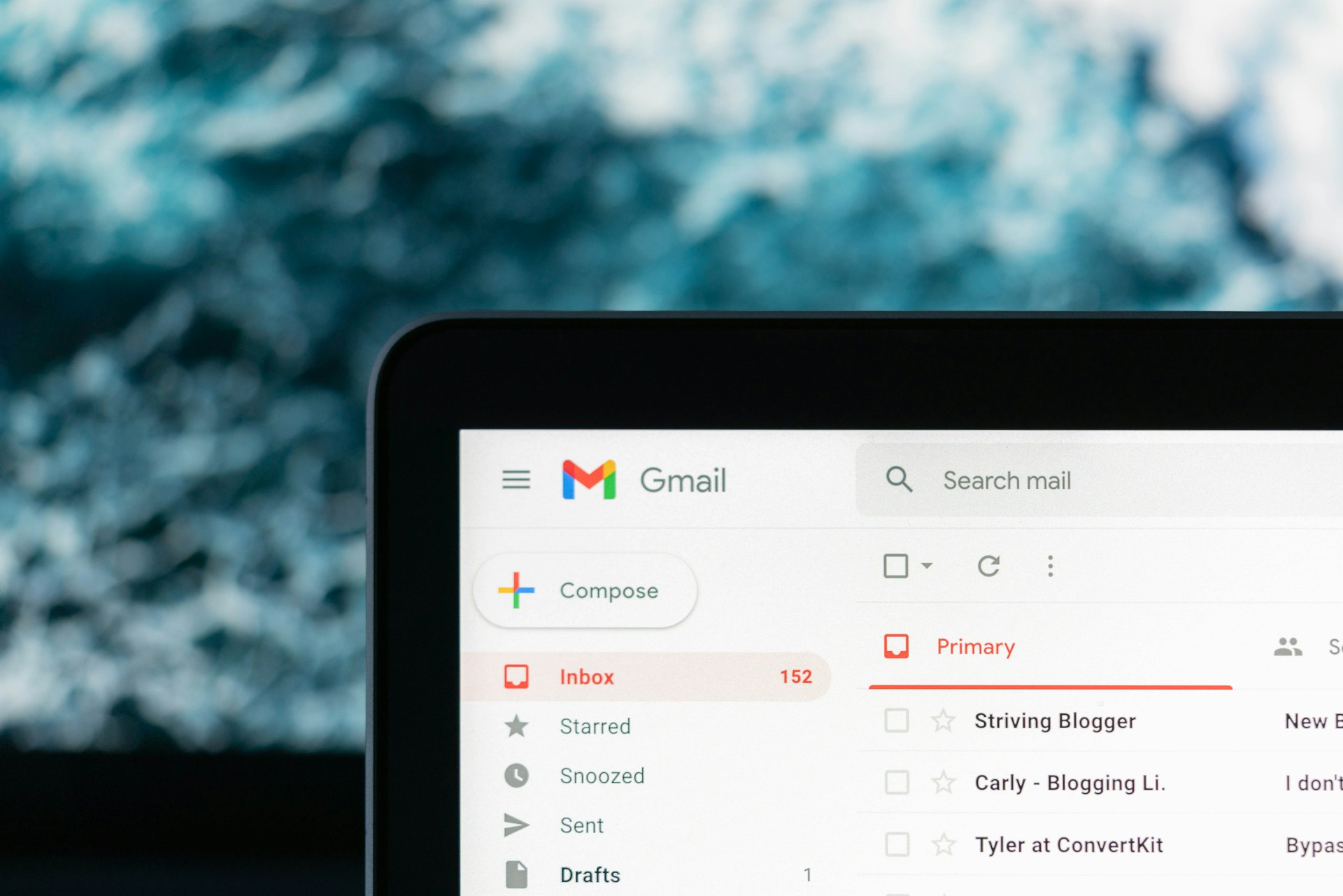
For security teams, that shift matters. Many of today’s attacks do not look noisy or obviously malicious. They look like a shared document, an invoice follow-up, a payroll message, or a request from a trusted partner. That makes email security a business risk issue, not just a filtering problem.
Common Risks and Challenges
The biggest challenge is that modern phishing blends into normal communication. Attackers increasingly use polished formatting, trusted cloud services, link redirect chains, and realistic pretexts to make messages feel legitimate. Some campaigns now use AI-assisted tooling to speed up lure creation and credential theft pages, which reduces the effort required to launch convincing attacks at scale.
Business email compromise is also shifting. Instead of relying only on fake executive messages, many attackers now impersonate employees, departments, or vendors. In larger organizations, these messages can be especially dangerous because internal workflows are complex, approvals move quickly, and people are used to acting on routine requests.
Traditional controls can miss these threats when a message passes basic authentication, uses a trusted sender service, or avoids obvious malware. That leaves employees as the final checkpoint, which is a risky place to be when the email looks ordinary.
Best Practices
Organizations should start with strong email authentication. SPF, DKIM, and DMARC help reduce domain spoofing and make it harder for attackers to abuse a company’s brand. Just as important, security teams should review mailbox and tenant settings regularly so they can catch forwarding abuse, compromised accounts, and policy gaps before attackers do.
Next, security programs need to focus on behavior, not just signatures. That means inspecting links at click time, analyzing message context, flagging unusual sender behavior, and watching for impersonation patterns that do not match normal communication habits. High-risk workflows such as invoice changes, payment requests, shared mailbox access, and executive communications should also include out-of-band verification.
Employee awareness still matters, but awareness alone is not enough. The most effective approach combines user training with controls that reduce trust in suspicious messages before someone has to make a judgment call under pressure.
Recommended Security Features
Modern defenses should include inbound phishing protection, impersonation detection, URL analysis, attachment inspection, and strong email authentication support. Teams should also look for protections that identify suspicious display names, unusual vendor requests, account takeover indicators, and risky message patterns inside otherwise legitimate-looking email threads.
Encryption and secure message delivery remain important as well. When sensitive communications are handled through protected channels, organizations reduce the chance that attackers can exploit exposed data, hijack message flows, or turn trusted business conversations into fraud opportunities.
How Trustifi Supports AI Phishing and BEC Defense
Trustifi helps organizations strengthen email security with a layered approach built for the realities of modern phishing. That includes advanced inbound protection, anti-impersonation controls, support for stronger domain trust, and secure communication tools that help teams protect sensitive business exchanges.
For companies facing vendor fraud, executive impersonation, and account compromise risk, Trustifi can help close the gap between basic email filtering and the kind of contextual protection required in 2026. When attackers are trying to look like business as usual, security needs to understand business context too.
Conclusion
The latest reporting makes one thing clear, phishing has adapted faster than many defenses. Attackers are using AI to move quicker, and they are shaping campaigns around trust, routine, and believable business behavior. That means organizations need more than legacy spam filtering, they need email security that can recognize deception even when the message looks familiar.
In 2026, the safest assumption is that every inbox is part of the attack surface. The companies that respond best will be the ones that combine authentication, behavioral detection, impersonation protection, and secure communication into one practical defense strategy.